Gambling in Popular Culture: From Classic Films to Social Media

Gambling in Popular Culture: From Classic Films to Social Media
Gambling has always held a special place in American popular culture. From the glittering casinos of old Hollywood to the fast-paced world of online betting and social media streams, the thrill of risk and reward continues to capture the public imagination. But how has the image of gambling evolved—and what does it reveal about our society today?
From Hollywood Glamour to Gritty Realism
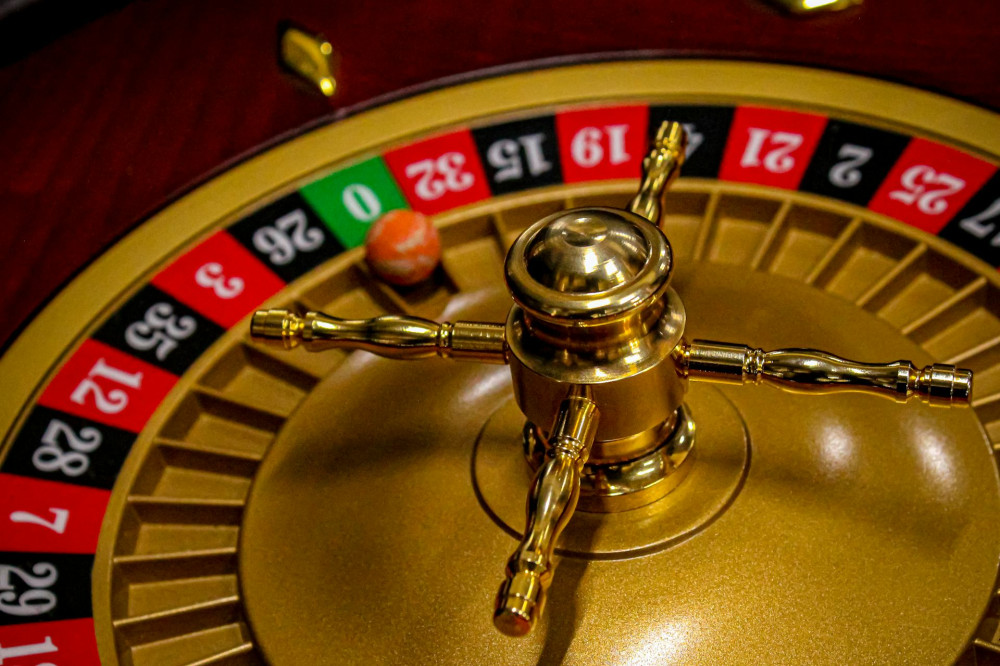
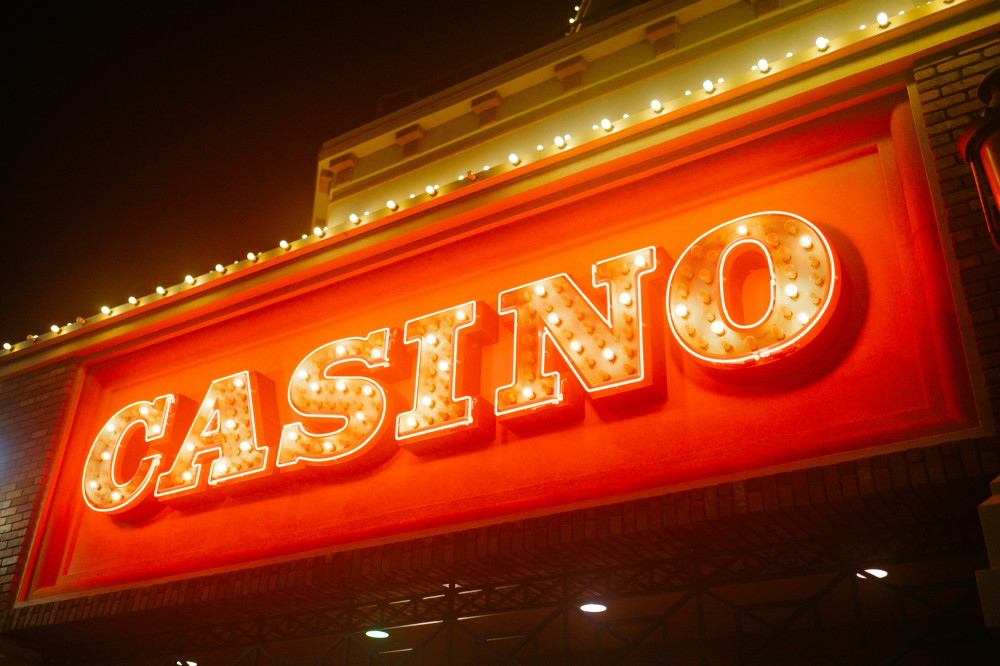
In the golden age of Hollywood, the casino was often portrayed as a glamorous playground for the bold and the beautiful. Films like The Cincinnati Kid and Ocean’s Eleven turned poker tables and roulette wheels into symbols of sophistication, charm, and danger. Gambling was not just about money—it was about wit, confidence, and the allure of taking a chance.
In more recent decades, however, film and television have taken a more complex view. Productions such as Rounders, Molly’s Game, and Uncut Gems explore the darker side of gambling—the obsession, the adrenaline, and the personal cost. These stories reflect a shift in cultural attitudes: gambling is no longer just a stylish pastime but also a lens through which to examine ambition, addiction, and the human desire for control.
Music and the Language of Risk
Gambling has also been a recurring theme in American music. From country ballads about poker games gone wrong to hip-hop tracks that use dice and cards as metaphors for life’s risks, the imagery of gambling runs deep. Older songs often romanticized the daring gambler who lived by luck and instinct, while newer artists use gambling references to express ambition, hustle, and the uncertainty of success in a competitive world.
This evolution shows how gambling in culture is rarely about the game itself—it’s about chance, choice, and consequence, ideas that resonate far beyond the casino floor.
Læs også:
The Aesthetic of the Game in Advertising and Fashion
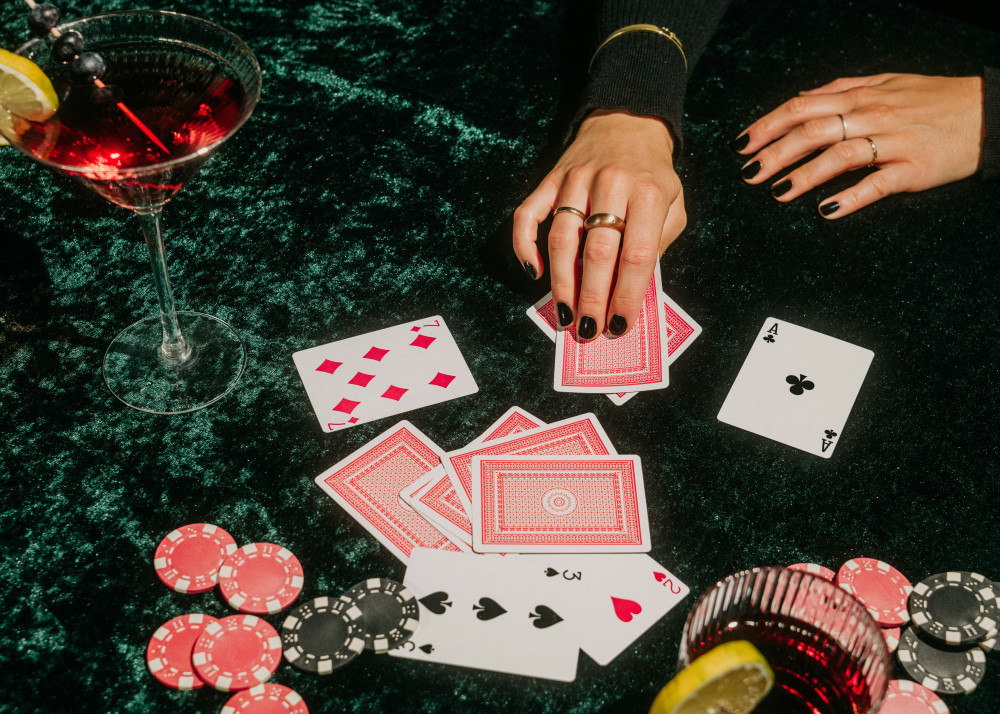
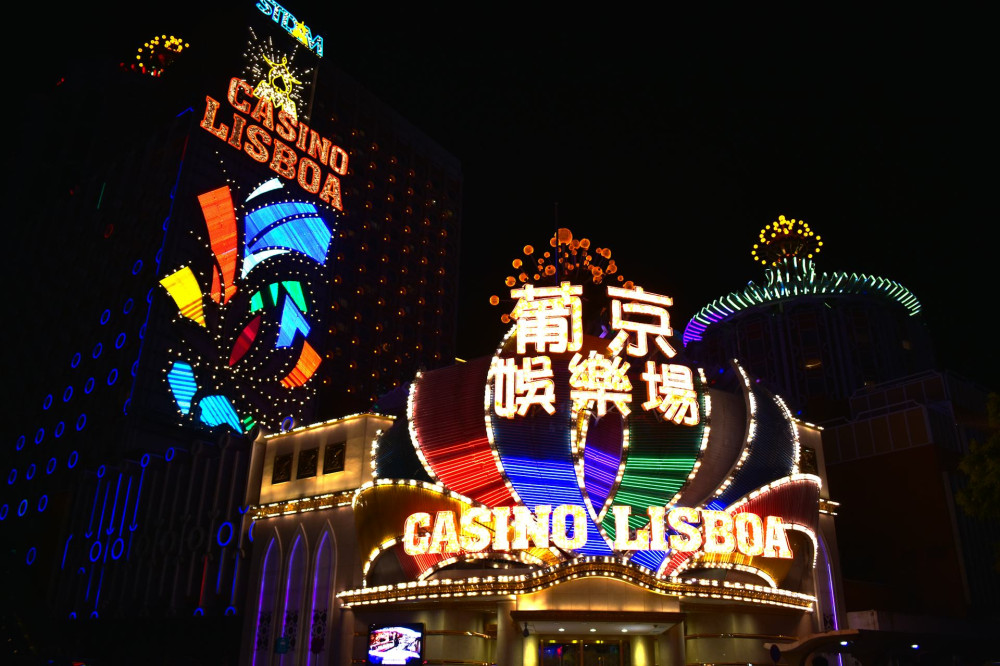
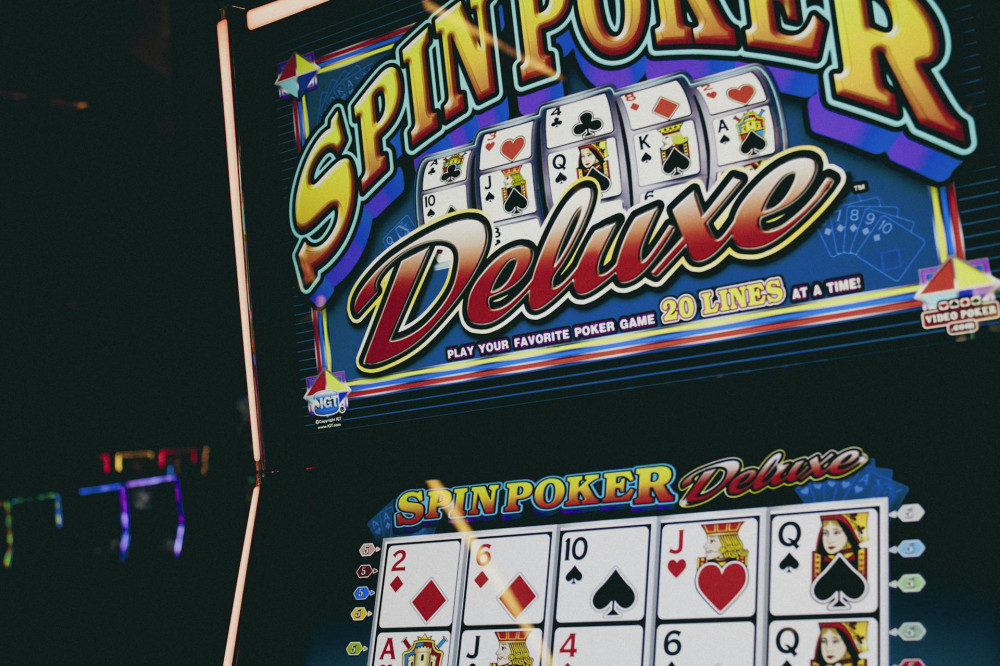
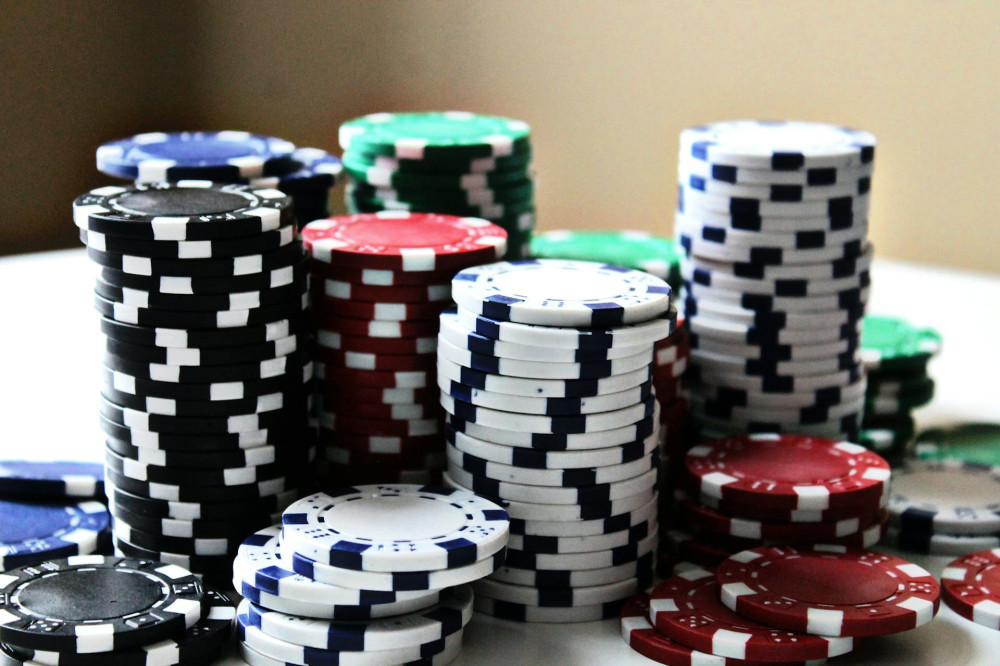
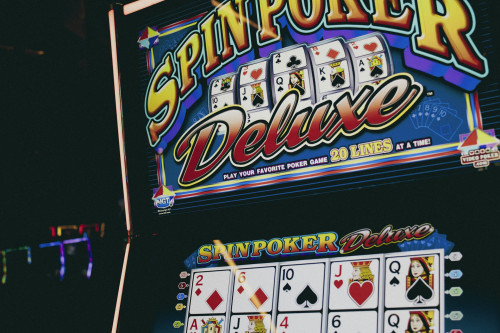
The visual language of gambling—green felt tables, red dice, neon lights—has long influenced American advertising and fashion. Brands use casino imagery to evoke excitement, luxury, and confidence. From high-end watch campaigns to sportswear collections, the “casino look” has become shorthand for risk-taking and boldness.
Even outside the gambling world, the idea of “rolling the dice” or “playing your cards right” has entered everyday speech, showing how deeply the aesthetics and metaphors of gambling have shaped American identity.
Social Media and the New Gambling Culture
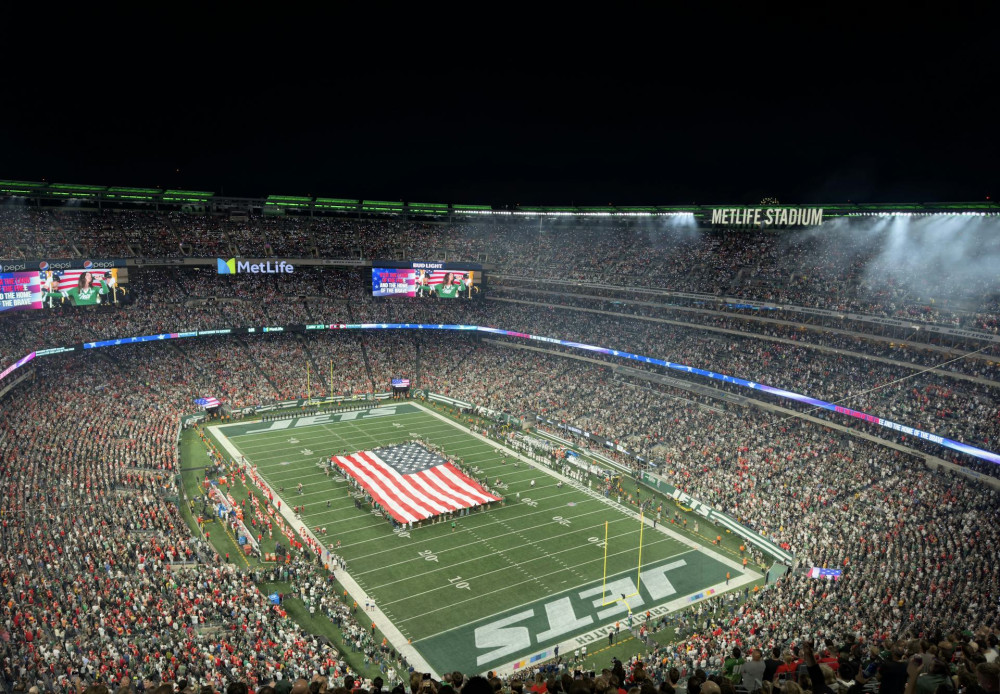
Today, gambling has found a new stage: social media. Platforms like YouTube, Twitch, and TikTok feature streamers who broadcast their casino sessions or sports bets to massive audiences. Viewers tune in not only for the potential wins but for the shared excitement and spectacle. This digital form of gambling entertainment blurs the line between play and performance, making the experience more accessible—and more visible—than ever before.
At the same time, this trend raises questions about transparency, responsibility, and influence, especially among younger audiences who encounter gambling as part of their online entertainment landscape.
From Fascination to Reflection
Gambling in popular culture has evolved from a symbol of glamour and adventure to a subject of deeper reflection. Where films and songs once celebrated the lucky gambler, today’s portrayals often highlight the psychological and social dimensions of the game.
This shift mirrors broader changes in American society, where gambling is both a booming industry and a topic of ethical debate. Popular culture, as always, acts as a mirror—showing us not only our fascination with chance and fortune but also our growing awareness of the stakes involved.
Læs også: