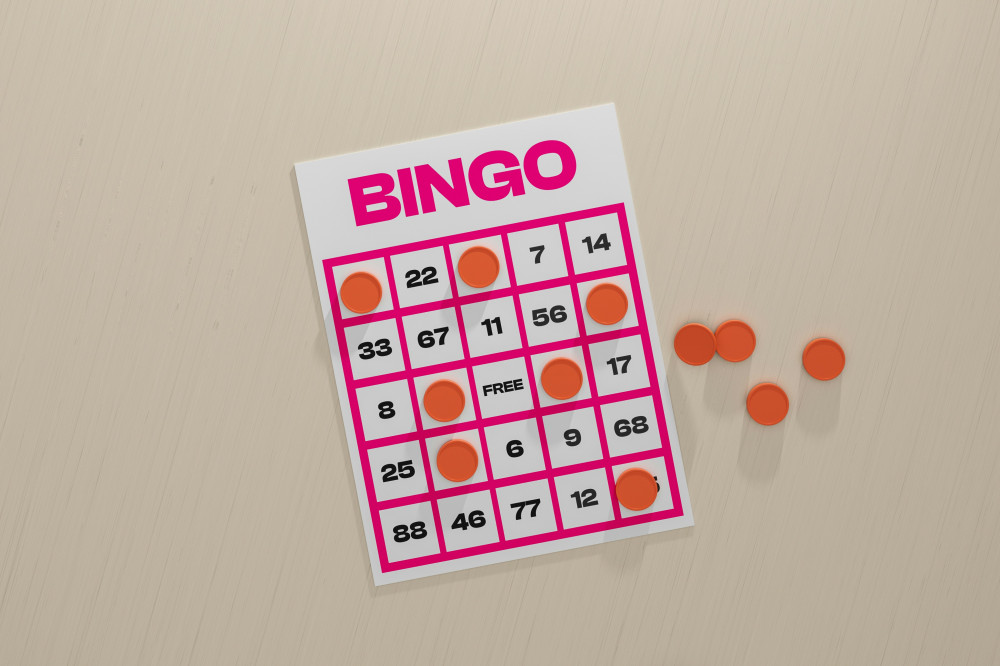
Parental Responsibility: How to Protect Children from Accessing Adult Bingo Apps


Parental Responsibility: How to Protect Children from Accessing Adult Bingo Apps
Digital games have become a natural part of children’s everyday lives. While many games are harmless and entertaining, some apps are designed for adults—such as bingo and casino-style games that involve real or simulated gambling. Parents play a crucial role in protecting children from accessing these types of apps. Here’s a guide to help you take responsibility and create a safe digital environment for your child.
Understand Why Bingo Apps Can Be Problematic
At first glance, bingo apps may seem innocent. They often feature bright colors, cheerful music, and social elements that resemble regular games. However, many of these apps include gambling-like mechanics, where players can wager real money or virtual credits that mimic real-world betting. This can lead to financial risk and even addictive behavior.
Children and teens, who are still developing impulse control and an understanding of probability and money, are especially vulnerable. That’s why it’s important for parents to stay aware of what apps are being downloaded and how they’re used.
Know Age Ratings and App Classifications
Most app stores—such as Google Play and Apple’s App Store—include age ratings that indicate whether an app is suitable for children. Many bingo and casino apps are rated 17+ or 18+, but these ratings alone don’t always prevent kids from downloading them.
As a parent, you can:
- Enable parental controls in the app store to restrict downloads based on age ratings.
- Require a password or biometric approval for app purchases or downloads.
- Read app descriptions and reviews to understand what the app actually contains.
It’s a good idea to go through these settings together with your child, so they understand why certain apps aren’t allowed.
Talk Openly About Games and Money
Simply banning apps isn’t always effective. Open conversations about why some games are not appropriate for children can make a big difference. Explain that bingo and similar games are designed for adults because they involve money and can lead to unhealthy habits.
You can also use this as an opportunity to discuss financial responsibility:
- What does it mean to gamble with money?
- Why is it important to set limits?
- How can you tell the difference between entertainment and gambling?
When children understand the reasons behind the rules, they’re more likely to respect them.
Use Technology to Protect Your Child
There are many digital tools available to help parents manage what their children can access. Some of the most effective include:
- Family sharing and child accounts – Both Apple and Google offer features that let parents approve app downloads and monitor screen time.
- Content filters – These can block access to websites and apps that involve gambling.
- Screen time limits – Help establish healthy habits and prevent excessive use.
The key is to find a balance where your child feels trusted and supported, while you maintain oversight and control.
Læs også:



Watch Out for Hidden Games and Ads
Even in games that don’t appear to involve gambling, ads for bingo or casino apps can pop up. Many free apps are funded by advertising, which can lead children to adult gaming sites with just one click.
Regularly check which apps your child is using, and pay attention to ads, pop-ups, and links. If possible, consider paying for ad-free versions of games—this reduces the risk of exposure to inappropriate content.
Build a Healthy Digital Culture at Home
Protecting children isn’t only about setting limits—it’s also about building good habits. Create family rules for screen time and talk about which types of games are fun and educational. When you show interest in your child’s digital life, it becomes easier to notice if something seems off.
Try playing games together. It gives you insight into what your child experiences and opens up natural opportunities to talk about the game’s content and purpose.
A Shared Responsibility
Children are growing up in a digital world where the lines between play, learning, and spending can easily blur. As a parent, you can’t shield them from everything, but you can give them knowledge, confidence, and healthy habits that last.
By combining technical tools, open communication, and clear boundaries, you can help your child navigate safely—even when temptations are just a tap away.
Læs også: