From Mechanical Machines to Online Slots: The History of Slot Machines


From Mechanical Machines to Online Slots: The History of Slot Machines
From clinking coins and spinning reels to digital jackpots and immersive online worlds – the slot machine has come a long way. What began as a simple mechanical device in the late 19th century has evolved into a global online industry enjoyed by millions. Here’s the story of how slot machines transformed from mechanical marvels to digital sensations.
The First Mechanical Machines
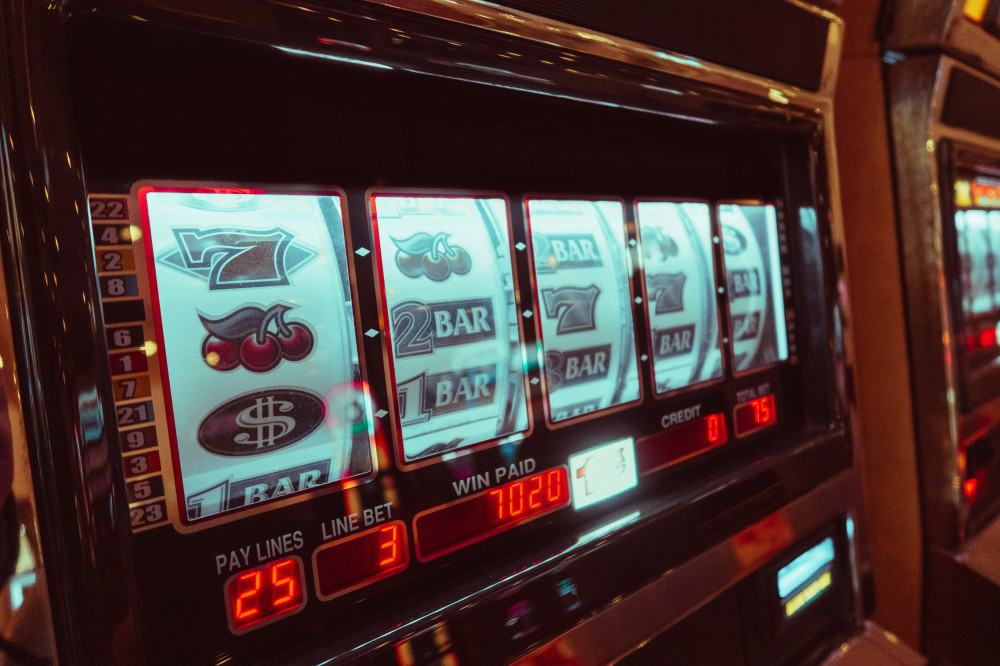
The history of the slot machine begins in the United States in the 1890s. A German immigrant named Charles Fey, working in San Francisco, invented the first true slot machine, the Liberty Bell, in 1895. It featured three reels and five symbols – horseshoes, diamonds, spades, hearts, and the iconic Liberty Bell. Three bells in a row triggered the top prize.
The Liberty Bell quickly became a hit in bars and saloons, where players could win small prizes like cigars or drinks. Its simple mechanics and instant excitement made it a sensation – and laid the foundation for an entire industry.
From Mechanics to Electricity
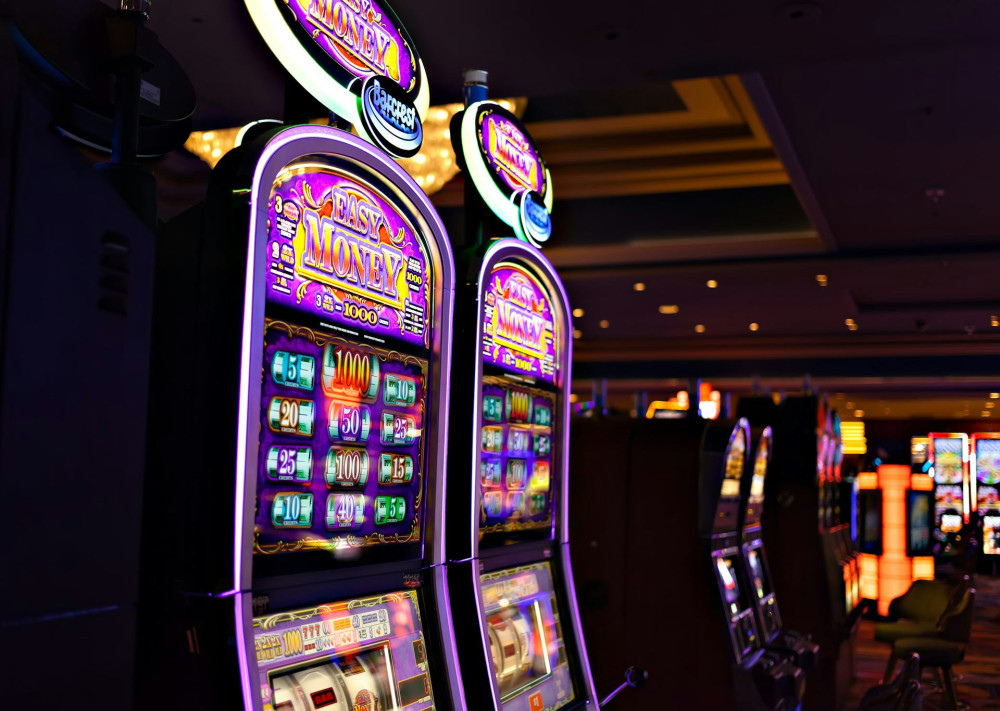
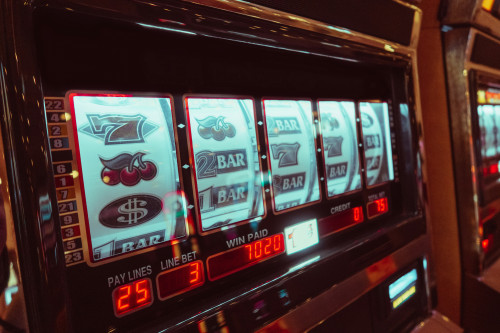
By the 1960s, slot machines were entering a new era with the introduction of electromechanical slots. Springs and gears were joined by electrical components, allowing for more complex games and larger payouts. Bally’s “Money Honey,” released in 1963, was the first fully electromechanical slot machine and introduced automatic coin payouts – a feature that soon became standard.
These machines made it possible to add more symbols, bonus features, and flashing lights and sounds that enhanced the gaming experience. Casinos began to recognize the potential of slot machines as major revenue drivers, and they quickly became a staple on every casino floor.
Læs også:
The Digital Revolution
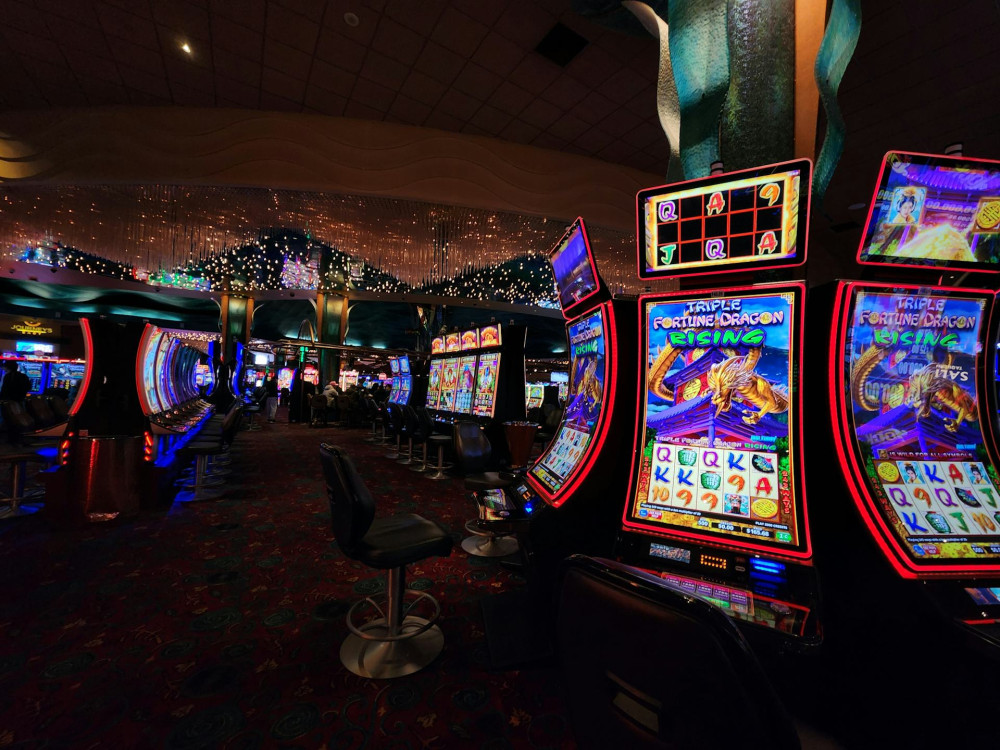
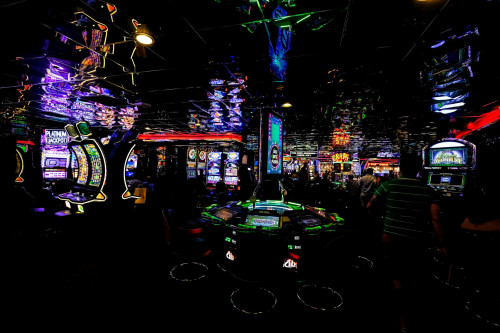
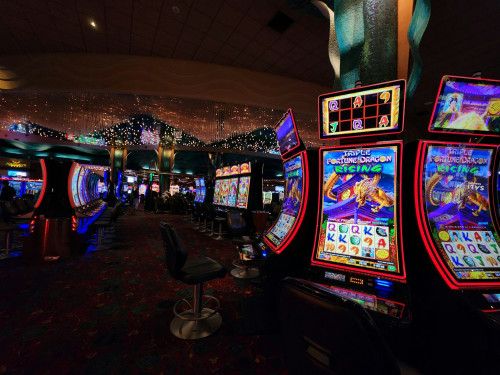
The 1980s and 1990s brought the digital revolution. Microprocessors and computer software replaced mechanical parts, giving rise to the first video slots. Instead of physical reels, a screen displayed the spinning symbols, giving developers the freedom to create new themes, animations, and bonus features.
This era also saw the birth of progressive jackpots, where multiple machines were linked together, and a portion of each bet contributed to a shared prize pool. These jackpots could reach life-changing sums, making slots more popular than ever.
The Rise of Online Casinos
When the internet became mainstream in the 1990s, slot machines followed. The first online casinos offered digital versions of classic slots, allowing players to spin the reels from the comfort of their homes. Early graphics were simple, but technology advanced rapidly, and today’s online slots feature high-definition visuals, 3D effects, and interactive bonus rounds.
Online gaming also opened the door to creative themes inspired by movies, music, and mythology. Social features like tournaments, chat rooms, and mobile apps made it possible to play anytime, anywhere – turning slot gaming into a global pastime.
Modern Trends and the Future of Slots
Today, slot machines are among the most popular forms of entertainment in the digital gaming industry. Developers are experimenting with virtual reality (VR), augmented reality (AR), and blockchain technology to create more immersive and transparent gaming experiences.
At the same time, there’s growing attention to responsible gaming. Many platforms now offer tools that help players set limits on time and spending, ensuring that gaming remains fun and safe.
The future of slot machines will likely blend innovation with nostalgia – combining the charm of classic reels with cutting-edge digital technology.
From Coins to Clicks – A Living Legacy
Although technology has changed dramatically, the essence of the slot machine remains the same: the thrill of pressing the button and hoping the symbols align. From the first mechanical reels to today’s online slots, the slot machine has never lost its power to entertain and excite – and it continues to evolve with every spin.
Læs også: