Why Bonuses Feel So Rewarding – and How They Affect Motivation


Why Bonuses Feel So Rewarding – and How They Affect Motivation
When we receive a bonus—whether it’s a year-end check at work, a surprise discount, or an extra life in a game—it feels like a small victory. Our brains light up with pleasure, and we’re driven to repeat the behavior that earned the reward. But why do bonuses feel so powerful, and how do they shape our motivation? The answer lies in a mix of psychology, biology, and expectation.
The Brain Loves Rewards
When we get a bonus, our brain releases dopamine—a neurotransmitter linked to pleasure, anticipation, and motivation. Dopamine doesn’t just make us feel good; it also encourages us to seek more of whatever triggered that feeling. That’s why we might check our email more often after a positive response, play a game a little longer, or push harder to reach a performance goal at work.
Research shows that it’s not only the reward itself but also the anticipation of it that activates the brain’s reward system. Knowing that there’s a chance to earn something extra increases our focus and engagement long before the reward arrives.
The Thrill of the Unexpected
One reason bonuses feel so exciting is that they often come as a surprise. The unpredictability creates a sense of suspense that the brain finds irresistible. Psychologists call this “variable reinforcement”—a principle used in gaming, marketing, and even social media design.
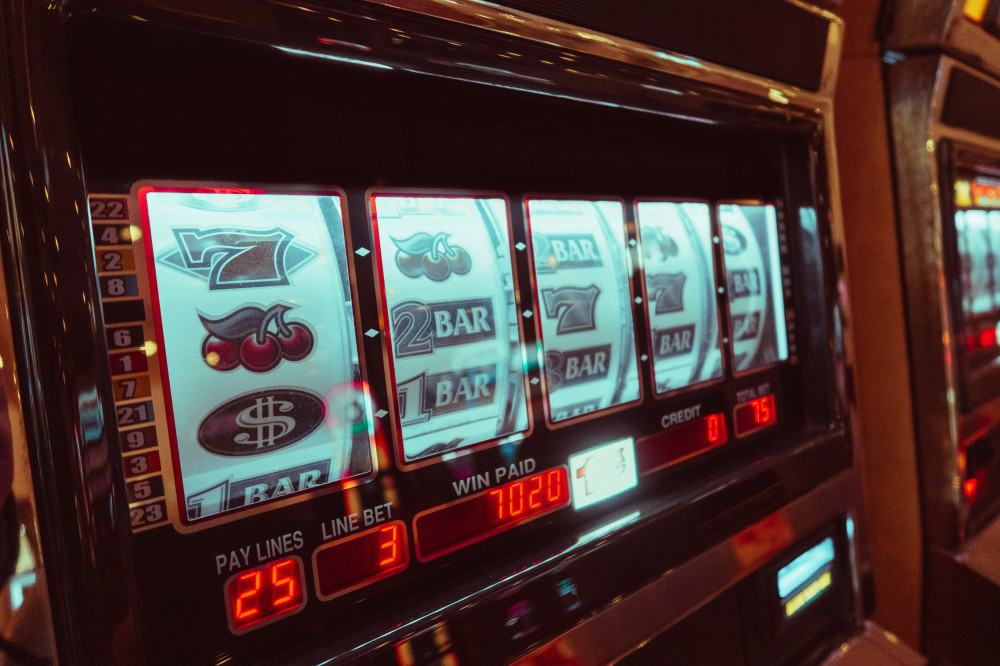
When we don’t know exactly when or how a bonus will appear, we pay closer attention and stay more invested. It’s the same mechanism that keeps people pulling the lever on a slot machine: the hope that the next spin will be the lucky one.
Læs også:



Bonuses as a Motivation Tool
In the workplace, bonuses are a common way to boost performance and engagement. A financial reward can provide a short-term motivational lift, but its effectiveness depends on how it’s structured. When bonuses are seen as fair, transparent, and achievable, they can strengthen both effort and satisfaction.
However, if they feel arbitrary or unattainable, they can backfire—creating frustration and reducing motivation. Effective reward systems aren’t just about the size of the bonus; they’re about the sense of control and meaning employees experience when earning it.
When Bonuses Become a Habit
While bonuses can motivate, they can also create dependency-like patterns. As the brain gets used to frequent rewards, it may require more stimulation to feel the same level of satisfaction. This can lead us to chase bonuses rather than enjoy the activity itself—whether that’s work, gaming, or shopping.
That’s why balance is key. Bonuses work best as an extra incentive, not the sole source of motivation. The most sustainable drive comes from finding satisfaction in the process itself—not just in the outcome.
How to Use Bonuses Wisely
Whether you’re designing reward systems, managing a team, or motivating yourself, you can use bonuses thoughtfully:
- Set clear goals – so you know exactly what you’re working toward.
- Celebrate small wins – to keep motivation high along the way.
- Vary the rewards – to prevent them from losing their impact.
- Focus on the process – not just the final result.
When used with intention, bonuses can be a powerful way to spark engagement, joy, and lasting motivation—both at work and in everyday life.
Læs også: