Know the Poker Rules – and Handle Disputes Professionally at the Table

Know the Poker Rules – and Handle Disputes Professionally at the Table
Poker is a game that blends strategy, psychology, and luck – but it’s also a game where clear rules and good table etiquette are essential for keeping things fair and enjoyable for everyone. Whether you’re playing a friendly home game or sitting down in a casino card room, knowing the rules and handling disagreements calmly can make all the difference. Here’s a guide to the key poker rules and some advice on how to stay professional when tensions rise.
Learn the Basic Rules
There are many poker variations, but most share the same core principles: players receive cards, place bets into a common pot, and the best hand – or the player who gets everyone else to fold – wins.
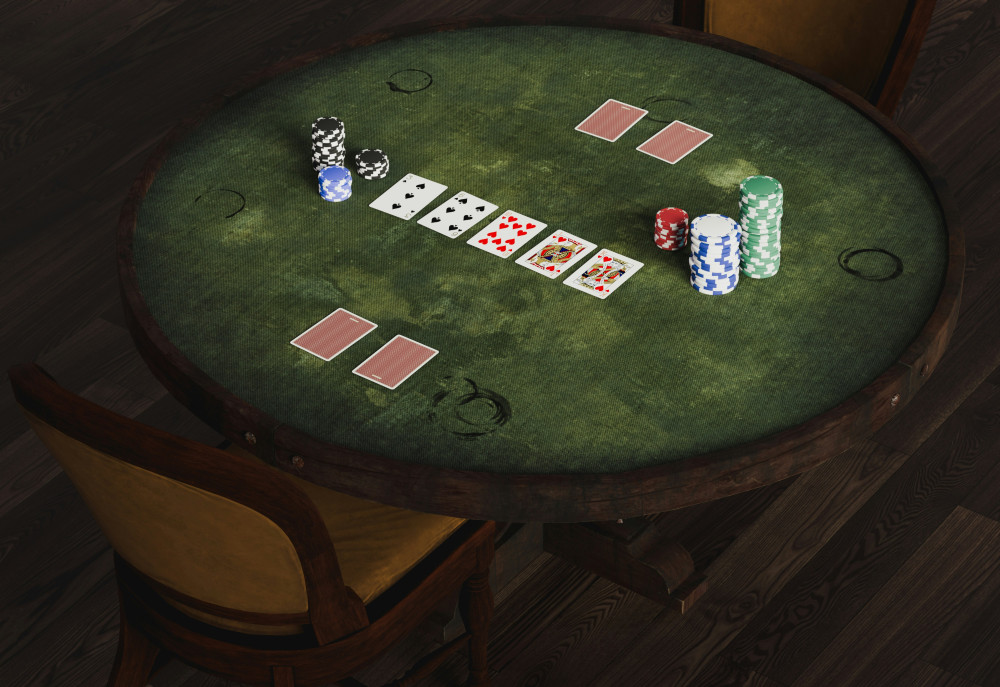
The most popular version in the U.S. is Texas Hold’em, where each player gets two private cards and shares five community cards on the table. The goal is to make the best possible five-card hand. Hands are ranked from highest to lowest: royal flush, straight flush, four of a kind, full house, flush, straight, three of a kind, two pair, one pair, and high card.
It’s important to memorize the hand rankings – it prevents confusion and keeps the game moving smoothly. Many beginners make mistakes because they think, for example, that a straight beats a flush, which it doesn’t.
Game Structure and Turn Order
A typical Texas Hold’em hand has four betting rounds: pre-flop, flop, turn, and river. Before the cards are dealt, two players post the blinds – small forced bets that get the action started. The action then moves clockwise around the table, with each player choosing to fold, call (match the bet), or raise (increase the bet).
Knowing when it’s your turn to act is part of good poker etiquette. Acting out of turn can influence other players’ decisions and cause frustration. Always wait until it’s your turn before making a move.
Table Etiquette: Respect and Composure
Poker is a social game, and the atmosphere at the table matters. Experienced players know that respect for opponents and for the dealer is part of the game’s culture.
- Show your cards properly – when a hand is over, reveal your cards clearly so there’s no doubt about the winner.
- Avoid “slow rolling” – don’t delay unnecessarily when you have the winning hand. It’s considered disrespectful.
- Keep your language clean – win or lose, avoid taunting, swearing, or criticizing others’ play.
- Keep your cards and chips visible – this helps everyone follow the action and prevents suspicion of cheating.
A respectful table environment makes the game more enjoyable – and increases the chances you’ll be welcomed back.
Læs også:



When Disputes Arise
Even among seasoned players, disagreements can happen – over who has the best hand, whether a bet was valid, or if someone acted out of turn. The key is to stay calm and handle the situation professionally.
- Pause the game – if there’s confusion, no new cards should be dealt until the issue is resolved.
- Speak calmly and stick to facts – avoid raising your voice or making accusations. Explain what you saw.
- Ask the dealer or floor manager – in casinos or tournaments, their ruling is final.
- Accept the decision – even if you disagree, it’s better to move on than to create conflict at the table.
In home games without an official dealer, agree beforehand on how disputes will be settled – for example, by majority vote or by consulting a rulebook. Clear agreements prevent many problems.
Know the Difference Between House Rules and Official Rules
Most poker rooms and tournaments have their own house rules that supplement the official ones. These might cover how bets must be announced, how many raises are allowed per round, or how to handle misdeals.
Before you sit down, take a moment to ask about these rules. It shows respect for the host or casino and ensures you don’t accidentally break a rule you didn’t know about.
Professional Conduct – Even When You Lose
Losing is part of poker. Even the best players go through stretches where the cards just don’t cooperate. What separates experienced players from beginners is how they handle defeat.
- Avoid “tilt” – don’t let frustration from a bad beat affect your next decisions. Take a break if you need to.
- Acknowledge good play – compliment opponents when they make strong moves. It shows sportsmanship.
- Review your play later – use losses as learning opportunities. Ask yourself what you could have done differently.
A professional attitude not only makes you a better player – it earns you respect in the poker community.
A Game About More Than Cards
Poker isn’t just about the cards you’re dealt. It’s about reading people, making decisions under pressure, and keeping your composure. When you know the rules and handle disputes with calm and respect, the game becomes fairer, smoother, and far more enjoyable – for you and everyone else at the table.
Læs også: