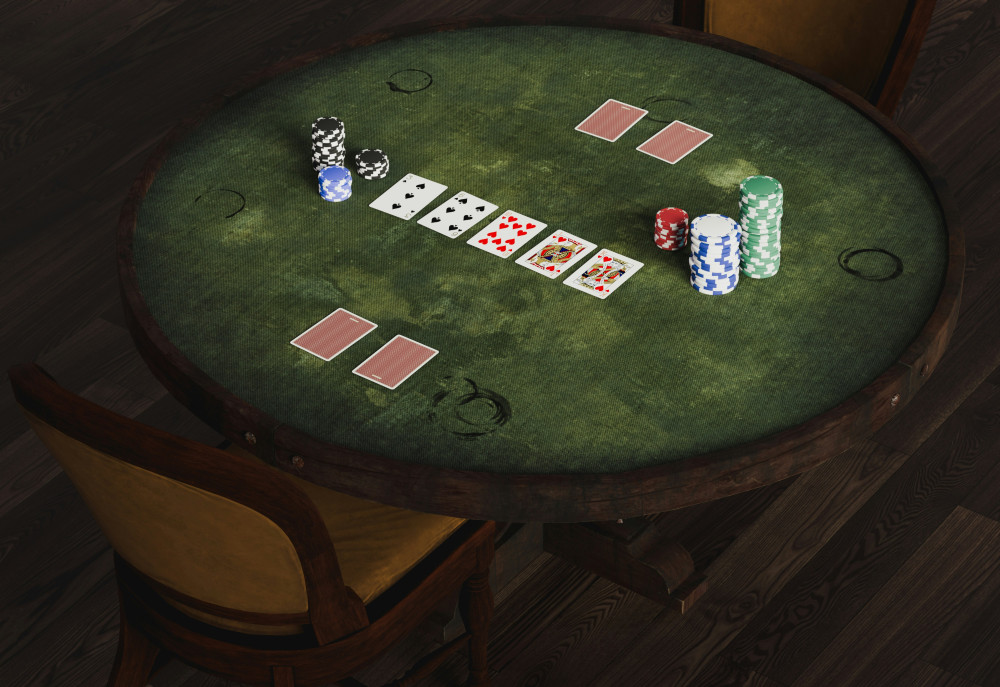
The Evolution of Poker: A Reflection of Society’s View on Gambling and Competition

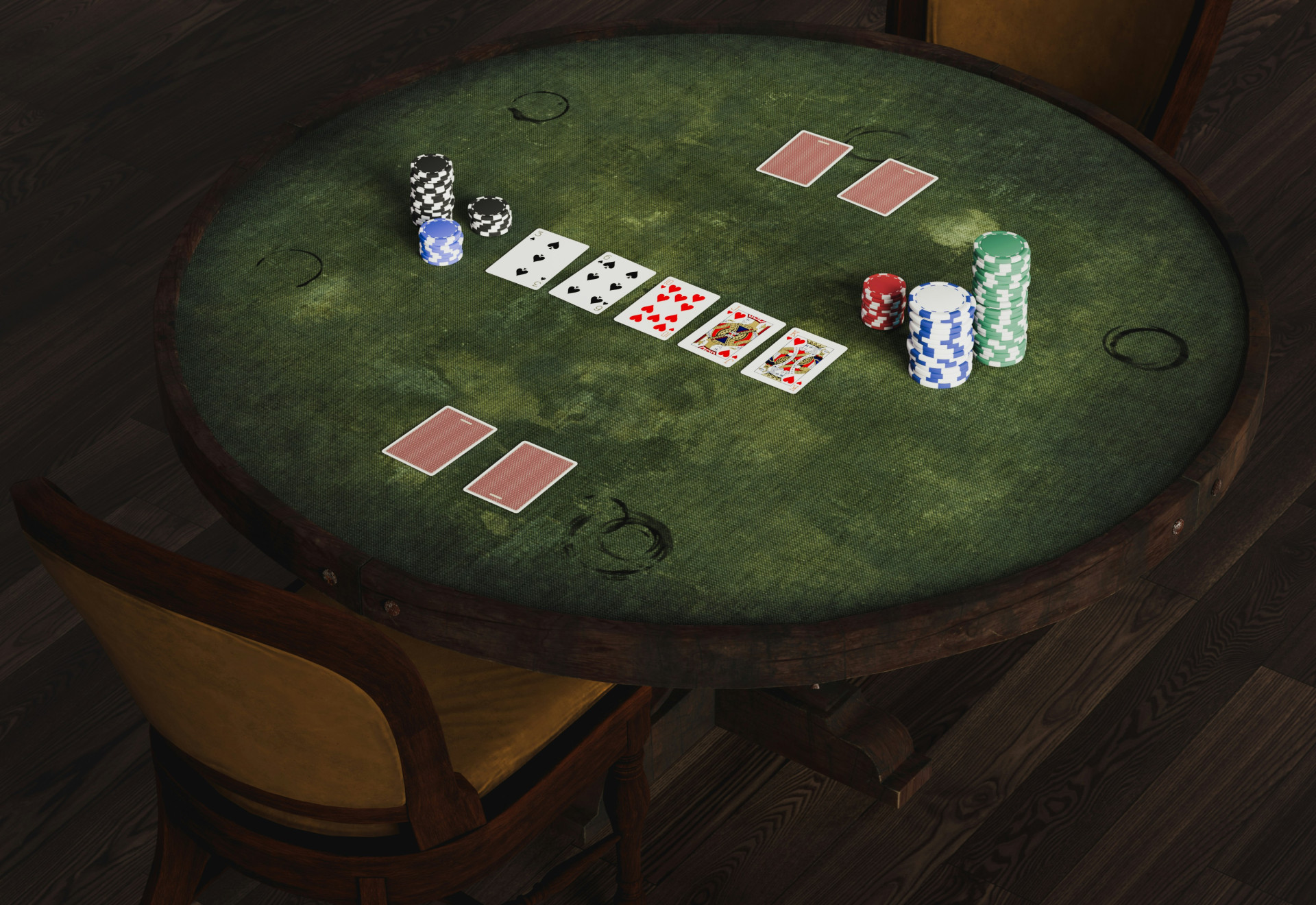
The Evolution of Poker: A Reflection of Society’s View on Gambling and Competition
Poker today is more than just a card game—it’s a global phenomenon that blends strategy, psychology, and entertainment. Yet its journey from riverboats to televised tournaments mirrors America’s changing attitudes toward risk, competition, and the pursuit of success. The story of poker is, in many ways, a story about how Americans have learned to balance luck, skill, and ambition.
From Riverboats to Respectability
Poker’s roots stretch back to the early 19th century, when it spread along the Mississippi River. Traders, soldiers, and adventurers played it in smoky saloons and on riverboats, often wagering more than they could afford to lose. The game’s early reputation was rough—it was associated with cheating, drinking, and danger. Poker was a pastime for risk-takers, a reflection of a young nation fascinated by fortune and frontier spirit.
As the 20th century unfolded, poker began to shed its outlaw image. Hollywood helped transform it into a symbol of intelligence and cool composure. Films like The Cincinnati Kid and later Rounders portrayed poker as a mental duel rather than a game of chance. The poker player became an American archetype: the self-reliant individual who could outthink fate itself. This shift mirrored a broader cultural ideal—the belief that success comes to those who can read the odds and take calculated risks.
The Rise of the World Series of Poker
In 1970, the first World Series of Poker (WSOP) was held in Las Vegas, marking a turning point in the game’s history. What began as a small gathering of professional gamblers evolved into a global competition watched by millions. Television coverage brought poker into American living rooms, and the game gained newfound legitimacy. It was no longer just gambling—it was a test of intellect, patience, and nerve.
This transformation coincided with a period in American life that celebrated competition and meritocracy. In the 1980s and 1990s, poker reflected the spirit of the times: ambition, strategy, and the willingness to take risks were seen as virtues, both at the card table and in the corporate world. The poker table became a metaphor for the American dream—anyone could win big with the right mix of skill and courage.
The Online Boom and the Democratization of the Game
The early 2000s brought a revolution. With the rise of the internet, poker became accessible to anyone with a computer and a credit card. Online platforms allowed players to compete around the clock, and televised tournaments featuring “hole card cameras” made the game more thrilling to watch. The so-called “poker boom” turned amateurs into celebrities and inspired a new generation of players who saw poker as both a challenge and an opportunity.
This digital transformation democratized the game. Poker was no longer confined to casinos or backrooms—it became part of the online culture of self-improvement and competition. Yet it also raised new concerns about addiction, regulation, and the blurred line between entertainment and risk. As poker entered the mainstream, society’s view of gambling grew more complex: it could be both a sport of skill and a source of temptation.
Skill, Luck, and the Human Condition
One of the enduring debates about poker is whether it’s a game of skill or chance. Research suggests that skill dominates in the long run, but luck still plays a decisive role in any given hand. This tension between control and uncertainty is what makes poker so compelling—and so human. It mirrors life itself: we make decisions with incomplete information and must live with the outcomes.
As American culture has increasingly emphasized performance, self-discipline, and personal responsibility, poker has become a mirror for those values. It celebrates the ability to stay calm under pressure, to read others, and to make bold moves when the odds are uncertain. In that sense, poker is not just a game—it’s a reflection of how we navigate risk in everyday life.
Læs også:



Poker in the Modern Era
Today, poker exists at the intersection of sport, culture, and technology. Major tournaments are streamed worldwide, and artificial intelligence now challenges even the best human players. At the same time, discussions about responsible gaming and regulation have become central, reflecting society’s effort to balance freedom with protection.
The evolution of poker tells a larger story about America’s relationship with risk, competition, and the dream of success. From riverboats to online platforms, poker has mirrored the nation’s shifting values—its faith in skill, its fascination with luck, and its enduring belief that anyone, with the right hand and the right mindset, can win it all.
Læs også: