Luck or Fairness? Learn to Understand Game Outcomes Realistically

Discover how luck, skill, and perception shape the way we experience games
Assessments
Assessments
4 min
Why do some game results feel unfair while others seem perfectly justified? This article explores the balance between chance and control, revealing how understanding probability, skill, and perspective can help players interpret outcomes more realistically—and enjoy the game more fully.
Alexis Cruz
Alexis
Cruz

Luck or Fairness? Learn to Understand Game Outcomes Realistically

Discover how luck, skill, and perception shape the way we experience games
Assessments
Assessments
4 min
Why do some game results feel unfair while others seem perfectly justified? This article explores the balance between chance and control, revealing how understanding probability, skill, and perspective can help players interpret outcomes more realistically—and enjoy the game more fully.
Alexis Cruz
Alexis
Cruz

Whenever we play—whether it’s a card game, a board game, or a casino game—the same question tends to arise: was it luck, or was it fairness? Many players experience both excitement and frustration when the outcome doesn’t match their expectations. But what does it really mean to understand game results realistically? And how can we tell the difference between chance and skill?

The Nature of Games: Between Control and Randomness

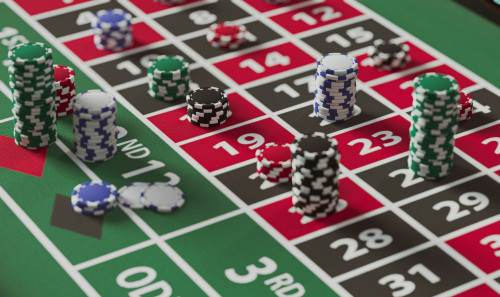
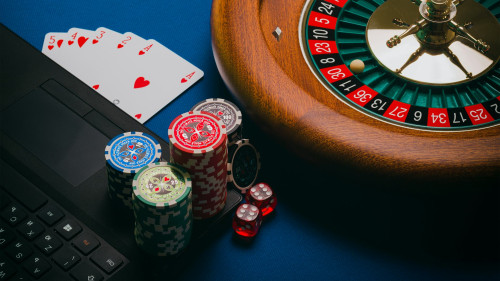
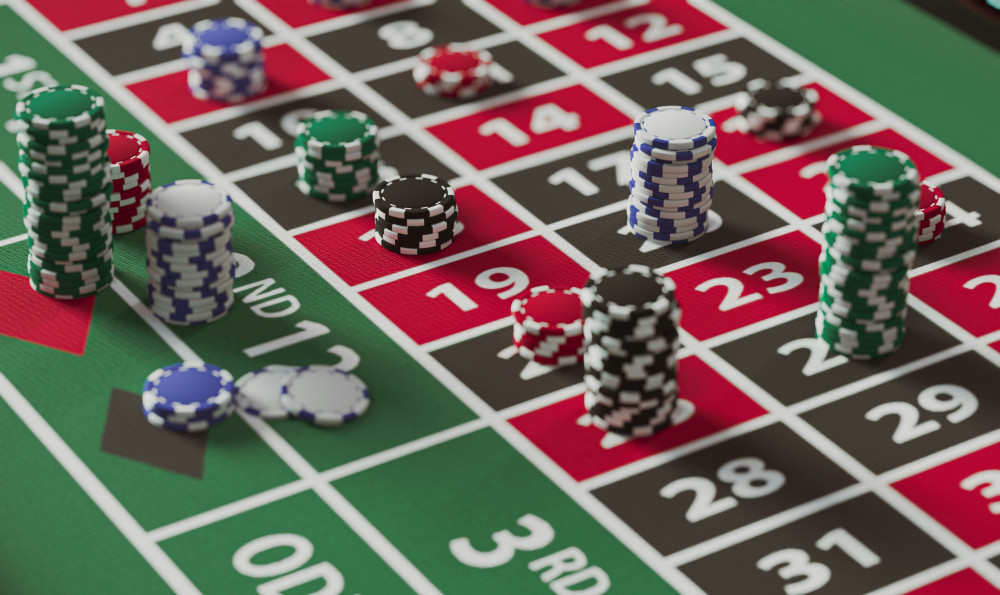
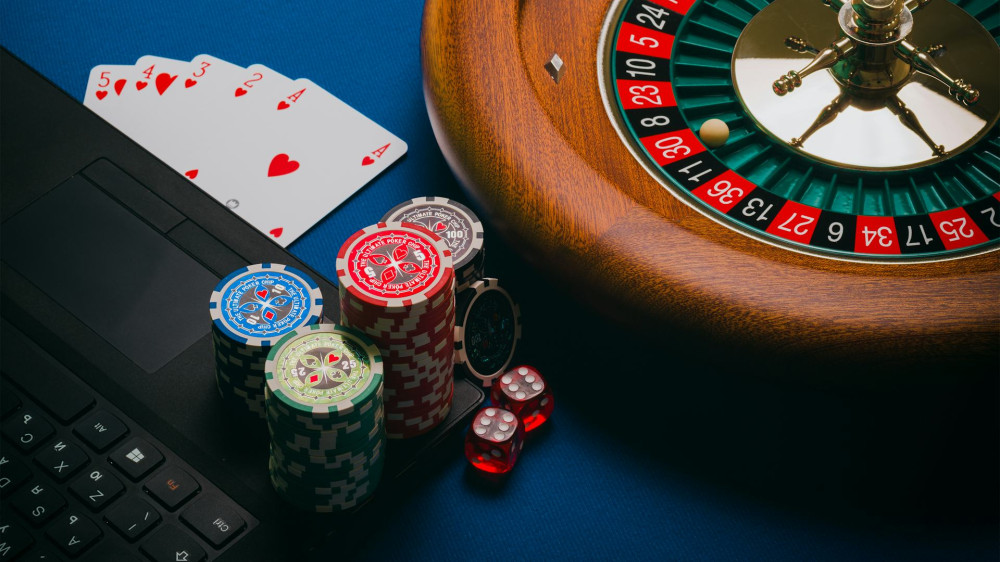
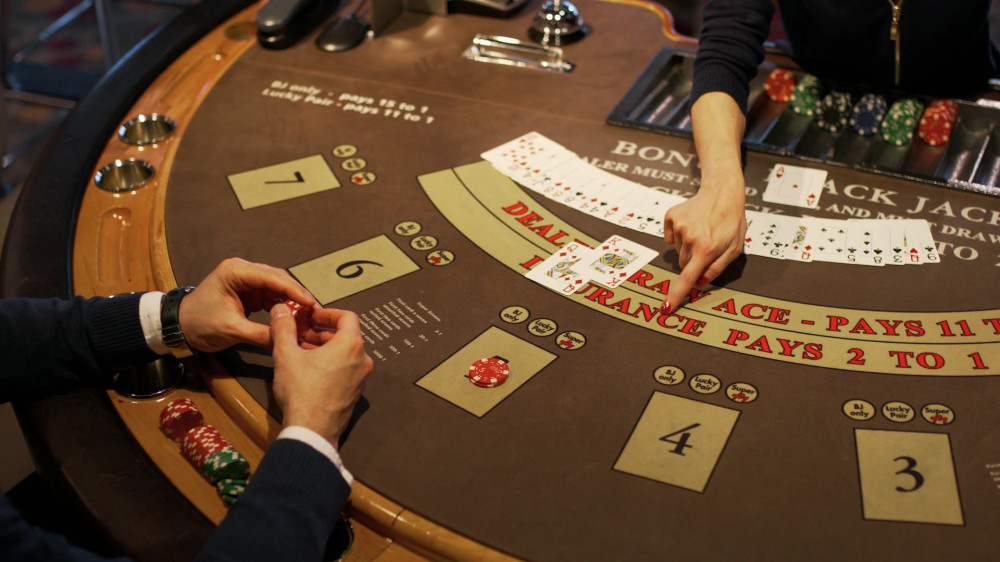
Every game is built on a balance between what you can control and what you can’t. In strategy games like chess, outcomes are almost entirely determined by skill. In games like roulette or the lottery, results are purely random. Most modern games—especially casino and online games—fall somewhere in between.

It’s important to understand that luck is not unfairness. Games are designed with built-in probabilities, which means even the most skilled player can lose in the short term. Over time, however, outcomes reflect the game’s mathematical structure—not the whims of fate.

Why We Perceive Unfairness

When we lose, it often feels as though the game “owes” us something. That’s a natural psychological reaction. Humans have a strong sense of fairness, and we expect effort and reward to be connected. But in games that involve chance, that connection is broken.

Research on gambling behavior shows that many players misinterpret random patterns. For example, if you lose five times in a row, you might think, “I’m due for a win.” This is known as the gambler’s fallacy—a classic mental trap where we assign fairness to randomness, even though no such balance exists.

Understanding the Math Behind the Game

To understand games realistically, you need to know the basic probabilities. Every game has a theoretical return-to-player (RTP) percentage, which indicates how much of the money wagered is paid back to players over time. If a game has an RTP of 96%, it means the house keeps, on average, 4%.

That doesn’t mean you’ll get exactly $96 back for every $100 you play—it means that over thousands of plays, the results will average out to that percentage. This is where many players misunderstand the nature of games: short-term swings feel unfair, but they’re part of the statistical reality.

The Role of Skill—and Its Limits

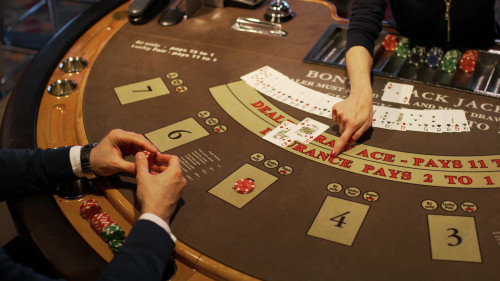
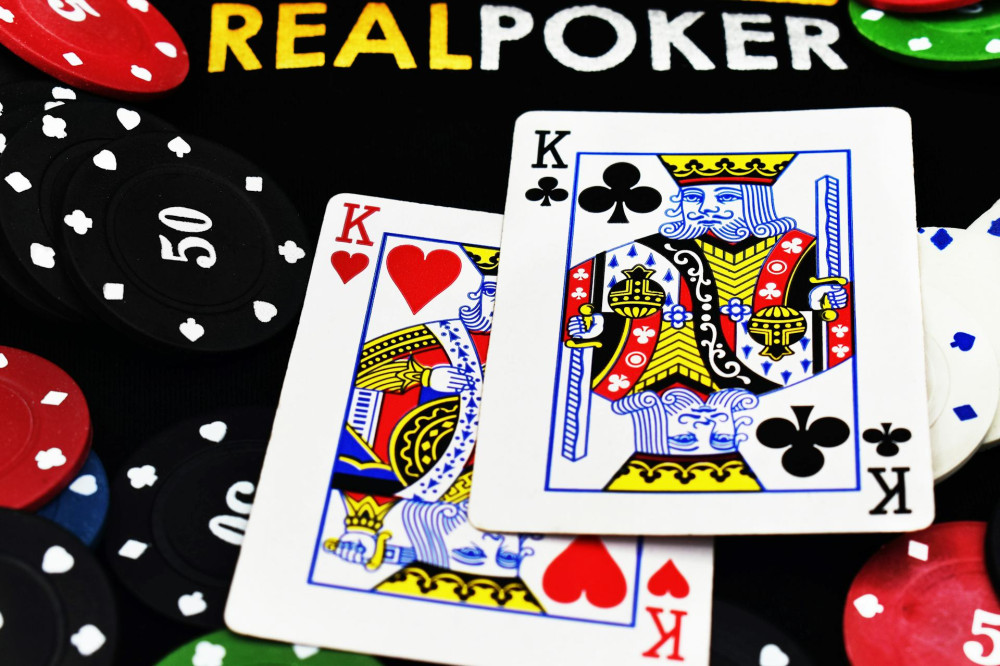
In some games, skill can reduce the impact of luck. Poker is a great example: strategy, psychology, and experience can give a player a real edge. But even the best player can lose a hand because of an unlucky card. It’s precisely this mix of control and uncertainty that makes games exciting.

Accepting this limit is part of playing realistically. Skill can improve your chances, but it can never eliminate randomness entirely.

Keeping a Healthy Perspective

Playing realistically isn’t just about understanding probabilities—it’s also about maintaining a healthy relationship with the game. Here are a few tips:

  • See games as entertainment, not income. Games are designed to provide excitement, not guaranteed profit.
  • Set limits on time and money. This helps you stay in control and prevents the game from taking over.
  • Accept losses as part of the experience. Just like in sports, you can’t win every time—and that’s what makes victories meaningful.
  • Reflect on your play. Think about what was luck and what was strategy. It helps you grow as a player.

Luck and Fairness—Two Sides of the Same Coin

Once you understand how games work, it becomes clear that luck and fairness aren’t opposites. Luck is part of the game’s fair design—it’s what makes outcomes unpredictable and thrilling. Fairness lies in the fact that all players face the same odds.

Playing realistically doesn’t mean removing emotion from the game; it means putting those emotions in perspective. When you accept that chance is part of the experience, you can enjoy the game for what it truly is: a blend of excitement, strategy, and unpredictability.

Trust and Transparency – Cornerstones of Effective Player Protection
Building a safer and more responsible gaming environment through openness and accountability
Assessments
Assessments
Player Protection
Responsible Gaming
Online Casinos
Transparency
Trust
2 min
As online gaming expands across the United States, trust and transparency have become essential to protecting players and ensuring responsible operations. Discover how these principles strengthen relationships between players, operators, and regulators—and pave the way for a sustainable gaming future.
David Martínez
David
Martínez
Design and Sound: How They Influence Your Casino Gaming Experience
Discover how visuals and soundscapes shape your emotions and engagement in online casinos
Assessments
Assessments
Casino Design
Player Psychology
Online Gaming
Sound Design
User Experience
7 min
From vibrant colors to immersive sound effects, every element of an online casino is designed to capture your attention and enhance your gaming experience. Learn how design and sound work together to influence player behavior and create a more engaging digital environment.
Christopher Lee
Christopher
Lee
Use Safety Features Actively – Protect Yourself as an Online Player
Stay in control and enjoy online gaming safely with the right protection tools
Assessments
Assessments
Online Gaming
Player Safety
Responsible Gambling
Digital Security
Casino Tips
4 min
Online gaming should be fun, not risky. Learn how to use built-in safety features such as deposit limits, time caps, and self-exclusion programs to protect your finances, privacy, and well-being while playing on licensed U.S. platforms.
Braxton Robinson
Braxton
Robinson
Luck or Fairness? Learn to Understand Game Outcomes Realistically
Discover how luck, skill, and perception shape the way we experience games
Assessments
Assessments
Game Theory
Probability
Psychology
Skill vs Luck
Fair Play
4 min
Why do some game results feel unfair while others seem perfectly justified? This article explores the balance between chance and control, revealing how understanding probability, skill, and perspective can help players interpret outcomes more realistically—and enjoy the game more fully.
Alexis Cruz
Alexis
Cruz
Global Game, Local Laws: Future Challenges for Gaming Regulation
When global gaming meets national boundaries, regulation faces a new level of complexity
Gambling
Gambling
Online Gaming
Regulation
Global Market
Technology
Legal Challenges
3 min
As online gaming expands across borders, regulators struggle to keep pace with an industry that operates beyond traditional jurisdictions. This article explores how governments, operators, and players navigate the evolving landscape of global gaming laws and what challenges lie ahead for fair and effective regulation.
Serenity Diaz
Serenity
Diaz
Adjust Your Strategy – How to Adapt to the Game’s Evolution
Stay ahead of the curve by mastering the art of strategic adaptation
Gambling
Gambling
Strategy
Gaming
Esports
Player Development
Game Evolution
7 min
Games evolve constantly — from new updates and rule changes to shifting player trends. Learn how to refine your approach, analyze your results, and use data-driven insights to keep your strategy sharp and your gameplay rewarding.
David Martínez
David
Martínez
Gambling in Popular Culture: From Classic Films to Social Media
How movies, music, and social media have shaped our view of gambling and risk
Gambling
Gambling
Gambling
Popular Culture
Media
Entertainment
Society
2 min
From the glamour of classic casino scenes to the rise of online betting influencers, gambling has evolved alongside popular culture. This article explores how entertainment, fashion, and digital platforms reflect—and redefine—our fascination with chance and fortune.
Christopher Lee
Christopher
Lee