Statistics in Lotteries: How to Use Probability to Create Fairer Games
Statistics in Lotteries: How to Use Probability to Create Fairer Games
Lotteries have long captured the American imagination — from state-run drawings that fund education to massive multi-state jackpots like Powerball and Mega Millions. Behind the excitement of watching numbered balls tumble lies a world of mathematics that ensures every ticket has an equal shot. Probability and statistics are the invisible tools that make lotteries both fair and financially sustainable.
Why Probability Is the Heart of Every Lottery
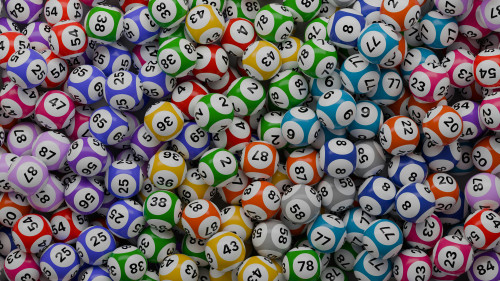
At its core, a lottery is a game of chance. Each number combination must be independent and unpredictable so that no player can gain an advantage. Probability theory allows game designers to calculate the odds of winning and to structure prize tiers accordingly.
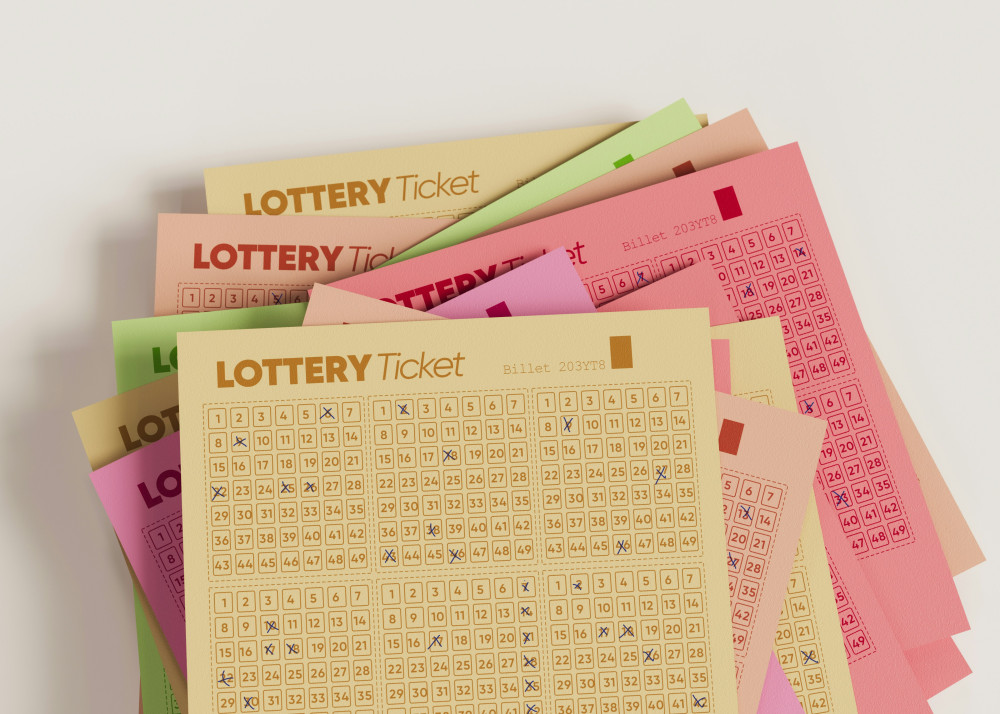
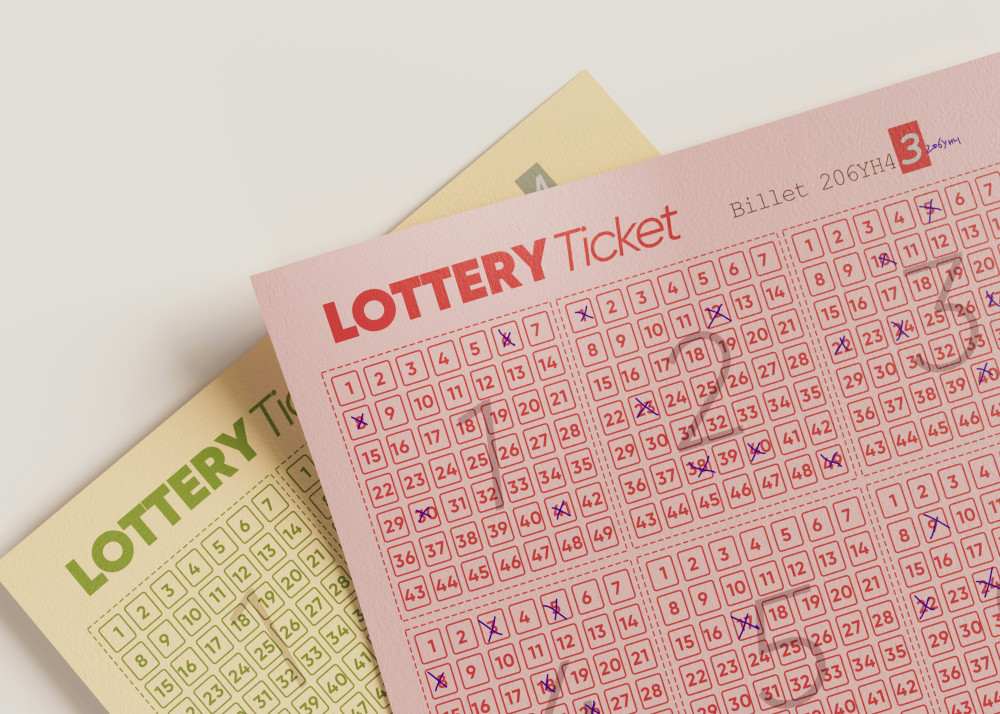
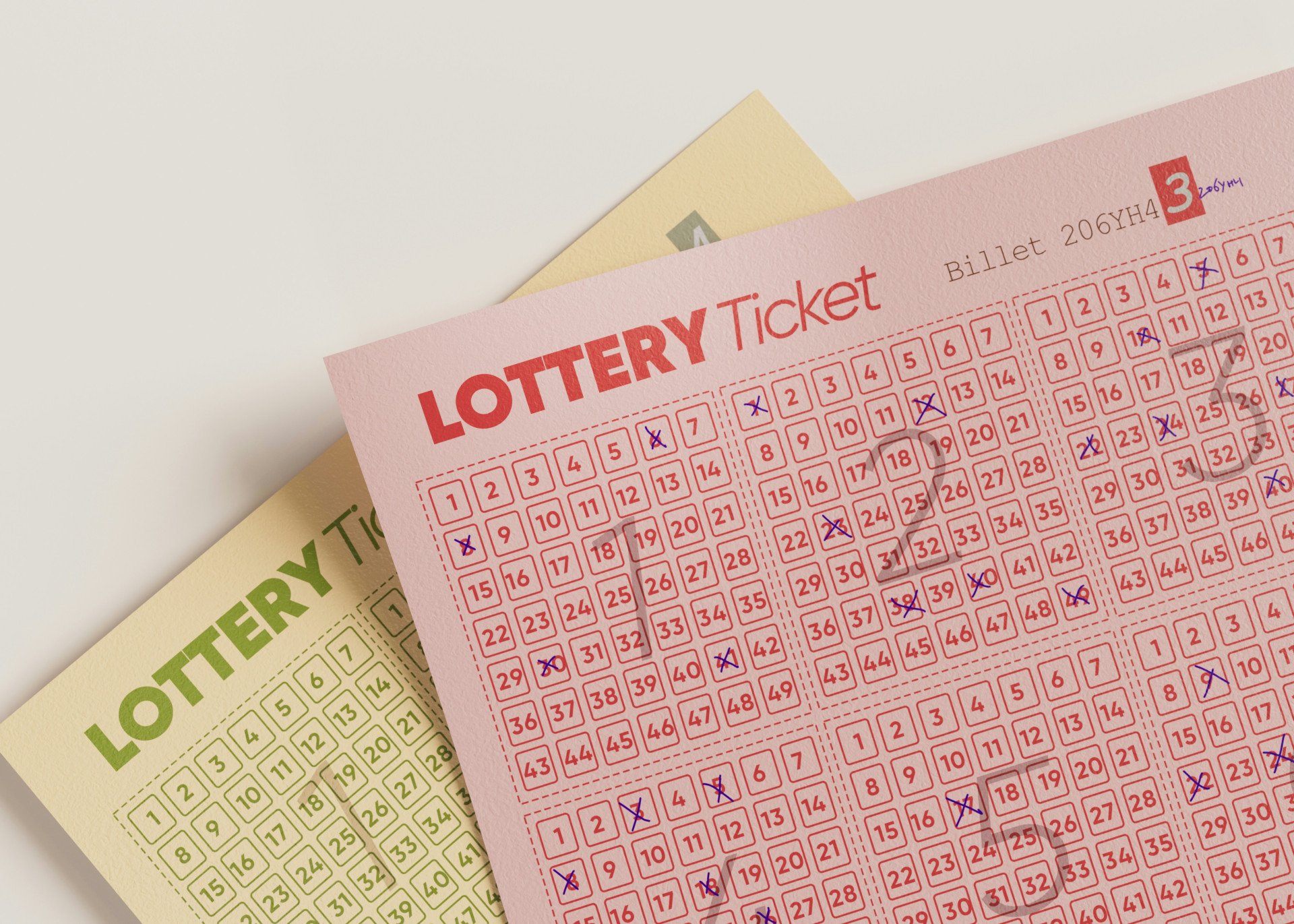
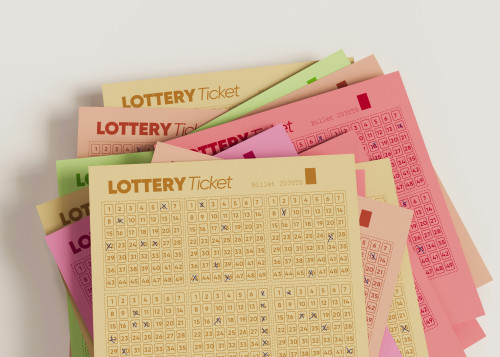
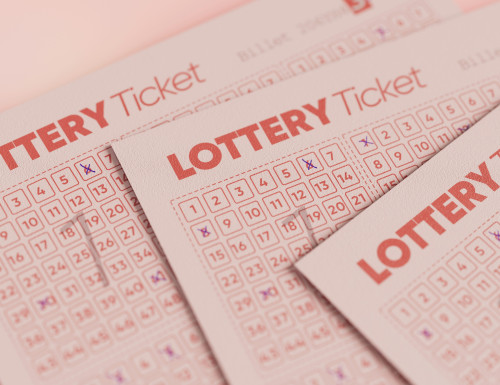
Take a typical U.S. lottery where players choose six numbers from a pool of 49. The probability of matching all six is 1 in 13,983,816 — a reminder of just how rare a jackpot win really is. These calculations help organizers set prize amounts that are enticing yet economically viable, ensuring the game can continue to fund public programs while offering fair play.
Using Statistics to Detect Patterns and Errors
Even though lotteries are built on randomness, they are constantly monitored using statistical analysis. By examining large datasets of past drawings, analysts can detect irregularities that might suggest a technical issue or tampering. For instance, if a certain number appears significantly more often than expected, it could indicate a malfunction in the drawing machine or software.
Statistical tests are also used to verify the randomness of number generators, especially in digital or online lotteries. Randomness tests — such as chi-square or frequency analysis — confirm that results follow expected probability distributions, ensuring that no hidden bias affects the outcome.
Fairness and Transparency in Modern Lotteries
Today’s lotteries are increasingly digital, which raises new questions about transparency and trust. Players want assurance that computer algorithms are fair and that no one can manipulate the results. To address this, U.S. lottery commissions employ independent auditors and use certified random number generators that undergo rigorous statistical testing.
Many state lotteries also publish historical data and odds tables, allowing players to see how numbers have been drawn over time. While this information doesn’t improve anyone’s chances of winning, it reinforces confidence that the system operates on genuine randomness rather than hidden patterns.
Læs også:
Designing New Games with Probability in Mind
Statistics aren’t just used to monitor fairness — they’re also key to designing new games. Game developers use probability models to balance risk and reward, ensuring that a lottery is both exciting and sustainable. If the odds of winning are too low, players lose interest; if they’re too high, the prize pool becomes unsustainable.
By running computer simulations of millions of hypothetical drawings, designers can test how different rules affect the likelihood of various outcomes. This process helps create games that are engaging, transparent, and mathematically sound.
What Players Can Learn from the Numbers
While luck will always dominate in lotteries, understanding probability can help players set realistic expectations. The math shows that the odds of hitting a jackpot are astronomically small, but smaller prizes are more attainable. Recognizing this can make participation more responsible and enjoyable — it’s about entertainment, not investment.
Knowing the numbers behind the game also helps players appreciate what fairness truly means: every ticket, no matter who buys it or when, has exactly the same chance of winning.
Statistics as the Foundation of Trust
Trust is the cornerstone of every lottery. Without confidence in fairness, the thrill of the game disappears. Probability and statistics are therefore more than abstract math — they are the foundation of integrity that allows millions of Americans to dream big, knowing that while the odds are long, they are equal for everyone.
Læs også: