Why Some Numbers Seem Lucky — and Why They Really Aren’t

Why Some Numbers Seem Lucky — and Why They Really Aren’t
Many people have a “lucky number.” It might be a birthday, a jersey number, or just a digit that feels right. From lottery tickets to sports rituals, lucky numbers play a surprisingly big role in everyday life. But why do some numbers feel luckier than others — and is there any truth behind it?
Our Brain’s Love of Patterns
Humans are wired to find patterns. It’s what helped our ancestors survive — recognizing animal tracks, weather changes, or signs of danger. But that same instinct can trick us into seeing connections that don’t exist. When a certain number seems to “keep showing up,” we assume it means something. Psychologists call this apophenia — the tendency to find meaning in random events.
If you once won a small prize with the number 7, you’ll probably notice every time 7 appears again. It feels like a sign, but it’s really your brain filtering reality to match your expectations.
Culture Shapes What We Call Lucky
What counts as a lucky number depends a lot on where you live. In the United States, 7 is often seen as lucky — maybe because it shows up in so many familiar places: seven days of the week, seven colors in the rainbow, seven wonders of the world. In contrast, in many East Asian cultures, 8 is the lucky one, symbolizing wealth and success because the word for “eight” sounds like the word for “prosperity.” Meanwhile, 4 is often avoided because it sounds like the word for “death.”
These cultural associations can influence everything from phone numbers to license plates. In some parts of the world, people pay huge sums for numbers with lots of 8s. It’s a reminder of how powerful belief can be — even when it has no statistical basis.
The Illusion of Control
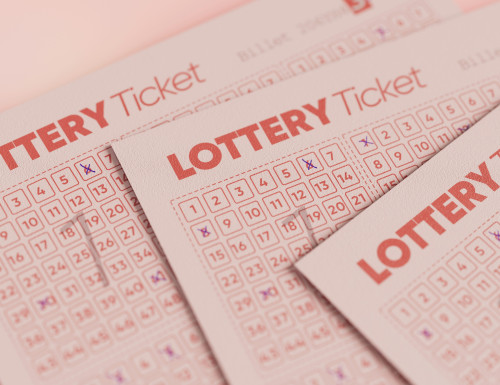
Belief in lucky numbers is closely tied to what psychologists call the illusion of control — the feeling that we can influence outcomes that are actually random. In lotteries, many people prefer to pick their own numbers rather than let a computer choose, because it feels more personal, as if that choice itself improves their odds.
But in games of chance, every combination is equally likely. The sequence 1-2-3-4-5-6 has exactly the same chance of winning as any other. It just feels less random because we associate patterns with order — and order with control.
The Math Doesn’t Play Favorites
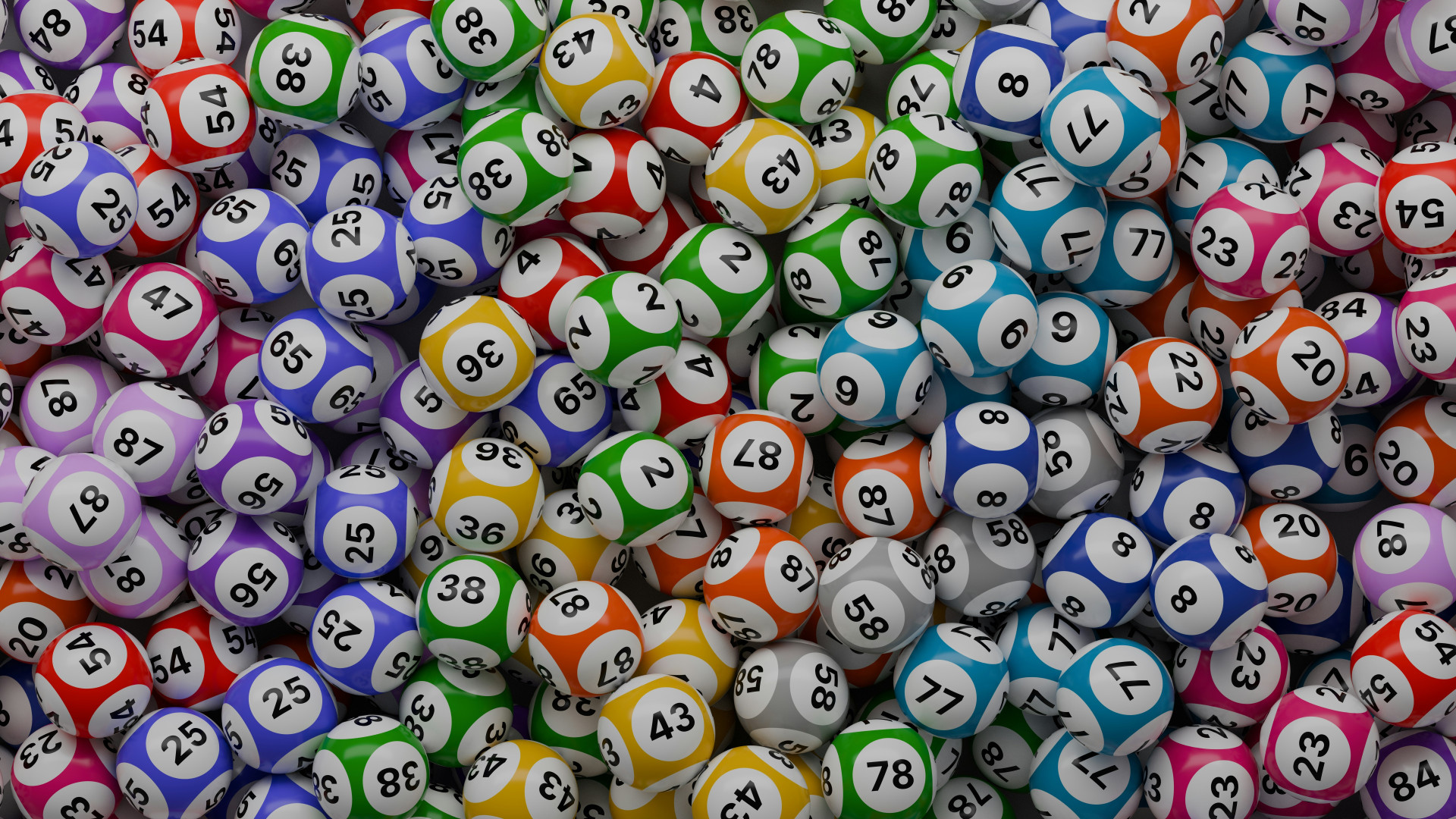
When you look at large sets of lottery results, the numbers tell a clear story: no number appears more often than any other in the long run. It might look like certain numbers “come up” more frequently for a while, but that’s just random variation. Over time, it all evens out.
Mathematically, your odds of winning don’t change no matter which numbers you pick. The only thing you can influence is how many other people choose the same numbers — which affects how much you’d have to share if you did win.
Læs også:
Why We Hold On Anyway
Even knowing that lucky numbers don’t actually work, most of us keep them. They give us a sense of control, hope, and identity. A lucky number can represent something personal — a memory, a dream, or a connection to someone we care about. And that emotional meaning has value of its own.
Having a lucky number won’t improve your odds, but it can make the experience more fun. It reminds us that games of chance are about feelings as much as statistics.
Luck Exists — Just Not in the Numbers
So why do some numbers seem lucky? Because we need them to. We look for meaning in randomness and hope in uncertainty. In the end, it’s not the numbers that bring luck — it’s our belief in them.
The next time you fill out a lottery ticket, go ahead and pick your favorite numbers. They’re not any luckier than the rest — but they tell a story about you. And maybe that’s what makes them special.
Læs også: