VR and AR in the Casino World – New Dimensions for Learning and Strategy


VR and AR in the Casino World – New Dimensions for Learning and Strategy
Virtual and augmented reality have already proven their potential in gaming, education, and entertainment. Now, these technologies are beginning to transform the casino world—not just as a new way to play, but as tools for learning, strategy, and understanding the psychology of the game. VR (Virtual Reality) and AR (Augmented Reality) open up entirely new dimensions where players can train, analyze, and experience the casino in ways that were once only imaginable.
From Screen to Experience – The Casino in 3D
For years, online casinos have tried to recreate the atmosphere of physical gaming floors. With VR, it’s now possible to step directly into a digital casino, walk between tables, greet the dealer, and interact with other players in real time. This creates a far more realistic and social experience than the traditional 2D interface.
For casino operators, this means offering an experience that combines the convenience of online gaming with the ambiance of a brick-and-mortar casino. For players, it provides a new sense of presence—and with it, new ways to understand the dynamics of the game.
AR as a Learning Tool
While VR builds entire virtual environments, AR overlays digital information onto the real world. In the casino context, this can be used to visualize probabilities, card combinations, or betting strategies directly on the table in front of the player.
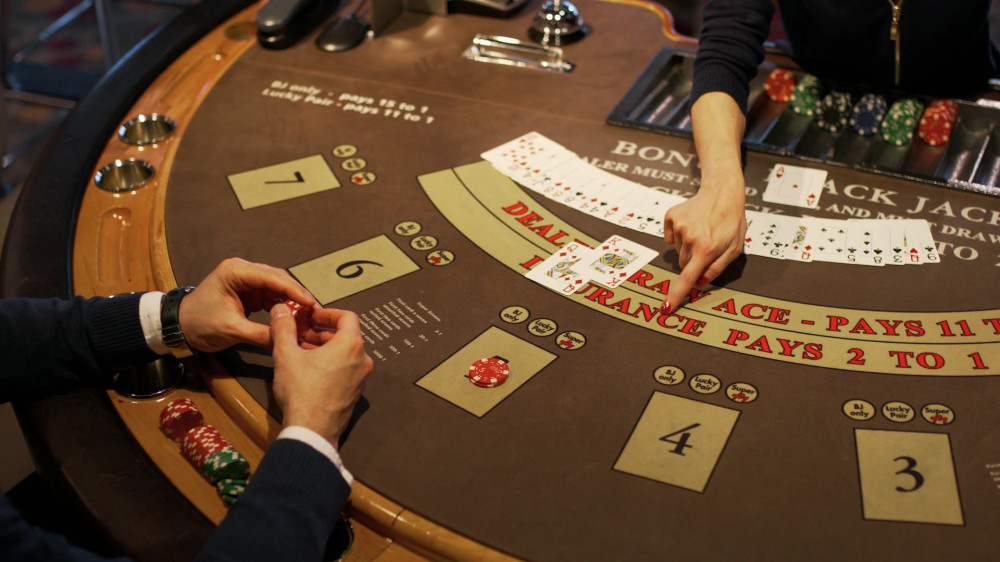
Imagine sitting at a blackjack table while your AR glasses display statistical probabilities for your next move—or receiving a step-by-step guide to the rules as you play. This shortens the learning curve and makes strategy more tangible.
Developers are already experimenting with AR apps that serve as training tools for both amateur and professional players. This could revolutionize how people learn games like poker, roulette, and blackjack.
Strategic Training in Virtual Environments
VR makes it possible to simulate realistic gaming situations without financial risk. Players can practice reading opponents’ behavior, test strategies, and analyze their own decisions in a safe, digital environment. It’s similar to how pilots train in flight simulators—only with cards and chips instead of instruments.
For professional players, VR training could become an essential tool for refining their understanding of the game. For beginners, it offers a fun and engaging way to learn without having to risk real money from the start.
Social and Psychological Dimensions
One of the most fascinating aspects of VR and AR in the casino world is the social dimension. In virtual casinos, players can meet, talk, and observe each other’s reactions—something that has often been missing from online gaming. This creates a more authentic experience and offers insights into the psychological side of gambling.
At the same time, these technologies can promote responsible gaming. Virtual environments can integrate reminders to take breaks, set betting limits, or reflect on gaming behavior—in ways that feel natural rather than intrusive.
Challenges and Future Perspectives
Despite the potential, there are challenges. VR equipment is still relatively expensive, and the technology requires a certain level of technical know-how. Casino operators must also ensure that the experience remains fair and secure—even in a virtual setting.
However, progress is rapid. As hardware becomes more affordable and accessible, VR and AR are likely to become integral parts of the casino experience—not only as entertainment but also as tools for learning, strategy, and responsible play.
Læs også:



A New Era for the Casino Experience
VR and AR are not just technological novelties—they represent a shift in how we understand and interact with games. They make it possible to combine experience, learning, and strategy in one immersive universe where the player doesn’t just participate but evolves.
For the casino world, this marks a new era where technology and human insight merge. And for players, it opens the door to a more conscious, engaging, and educational way to play.
Læs også: