A Poker Hand from Start to Finish – How the Betting Rounds Work


A Poker Hand from Start to Finish – How the Betting Rounds Work
Poker is a game where luck and strategy meet in a fascinating balance. Whether you’re playing Texas Hold’em, Omaha, or another variation, every hand follows a structured sequence of betting rounds. Each round gives players a chance to evaluate their cards, read their opponents, and decide whether to bet, call, raise, or fold. Here’s a step-by-step look at how a poker hand unfolds from start to finish—and what happens in each betting round.
Before the Hand Begins – Blinds and the Deal
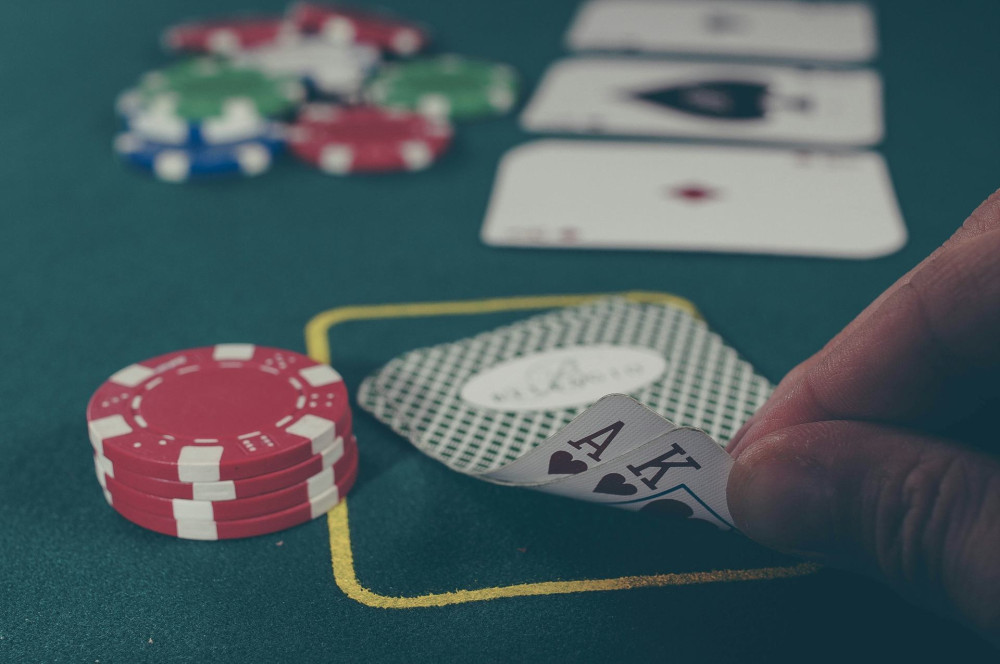
Every hand starts with two players posting the blinds—the small blind and the big blind. These are forced bets that ensure there’s always money in the pot. Once the blinds are posted, each player receives two private cards, known as hole cards.
The first betting round begins with the player to the left of the big blind. Action then moves clockwise around the table.
First Betting Round – Pre-Flop
In the pre-flop round, players look at their two hole cards and decide whether to play the hand. They can:
- Fold – give up their cards and wait for the next hand.
- Call – match the current bet.
- Raise – increase the bet to put pressure on opponents.
This round is all about assessing the strength of your starting hand and your position at the table. Players who act later in the round have the advantage of seeing how others respond before making their own decision.
Læs også:


Second Betting Round – The Flop
After the pre-flop betting is complete, the dealer places three community cards face up on the table. This is called the flop, and these cards can be used by all players to make the best possible five-card hand.
A new betting round begins, starting with the player to the left of the dealer. Players can now check, bet, call, raise, or fold. The flop is often where the hand starts to take shape—you can see whether your hole cards connect well with the community cards or if it’s time to step aside.
Third Betting Round – The Turn
Next comes the turn, when a fourth community card is dealt face up. Another round of betting follows. By this stage, the pot has usually grown, and decisions carry more weight. Players with strong hands aim to build the pot, while those with weaker hands must decide whether to continue or cut their losses.
The turn is also a prime opportunity for bluffing. A well-timed bet can convince opponents that you’re holding a stronger hand than you really are.
Fourth Betting Round – The River
The fifth and final community card is called the river. With all cards now revealed, players know exactly what their best possible hand is. The last betting round determines who stays in and how large the final pot will be.
At this point, psychology often takes center stage. Players watch each other’s timing, body language, and betting patterns, trying to decide whether a bet represents real strength or a bluff.
The Showdown – Revealing the Hands
If two or more players remain after the river betting round, it’s time for the showdown. Players reveal their cards, and the best five-card hand wins the pot. Hands are ranked according to standard poker rules—from the unbeatable royal flush down to high card.
If everyone else folds before the showdown, the last remaining player wins the pot without having to show their cards. That’s part of poker’s enduring mystery—and why bluffing can be such a powerful weapon.
Strategy and Timing – The Keys to Success
Understanding the betting rounds is the foundation of becoming a skilled poker player. But knowing the rules is only the beginning. You also need to read situations, anticipate opponents, and use your position wisely. When should you apply pressure? When should you back off? And how can you make your bets tell a convincing story?
Experienced players think several moves ahead and adjust their strategy based on what they observe. They know that poker isn’t just about the cards—it’s about the decisions made along the way.
From Deal to Decision
A poker hand is like a short story with a beginning, middle, and end. It starts with anticipation, builds through tension, and ends in either triumph or defeat. Each betting round is a chapter where you can influence the outcome—with courage, patience, and a touch of luck.
Once you understand the rhythm of the game, poker becomes more than a contest of cards—it becomes a contest of minds.
Læs også: