Myth or Strategy? How to Tell Fact from Fiction in Casino Games

Myth or Strategy? How to Tell Fact from Fiction in Casino Games
Casino games have always been surrounded by myths, stories, and “foolproof” strategies that promise big wins if you just play the right way. But how much of what you hear is actually true—and how much is pure fiction? In a world where luck and probability rule, it can be hard to separate fact from fantasy. Here’s a look at some of the most common myths and a guide to thinking more critically when you play.
The Myth of the “Hot” Machine
One of the most persistent beliefs in casino gaming is the idea that a slot machine or roulette wheel can be “hot” or “cold.” Many players think that if a machine hasn’t paid out in a while, it’s “due” for a win. In reality, every spin is completely independent of the last.
Slot machines and digital casino games are powered by Random Number Generators (RNGs), which ensure that every result is entirely random. There’s no pattern or rhythm to exploit. Believing that a machine “owes” you a win is a classic myth—and one that often leads players to bet more than they should.
Læs også:


Strategies That Actually Make Sense
While you can’t control the outcome of a game, you can still play strategically. It’s not about “beating the system,” but about managing risk and understanding probabilities.
- Know the house edge: Every game has a built-in advantage for the casino. The lower it is, the better your long-term odds. Games like blackjack and baccarat typically have lower house edges than slots or keno.
- Set a budget and stick to it: Decide how much you’re willing to lose before you start playing. It sounds simple, but it’s one of the most effective ways to stay in control.
- Take advantage of bonuses—but read the fine print: Online casinos often offer welcome bonuses or free spins, but they come with wagering requirements. Always understand the terms before you play.
These strategies won’t change the math behind the games, but they can help you play more responsibly and enjoy the experience without unrealistic expectations.
The Roulette “System” Illusion
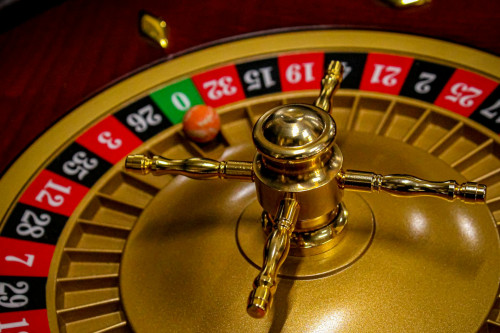
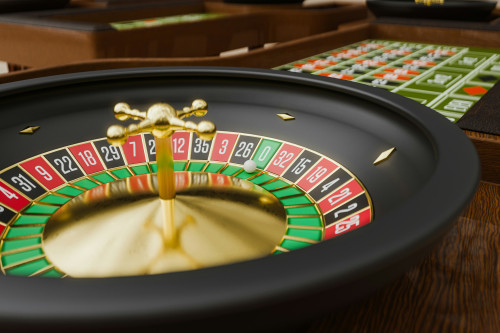
Roulette has inspired more “systems” than almost any other casino game—Martingale, Fibonacci, Labouchere, and many more. They all claim to help you win in the long run by adjusting your bets after losses or wins. The problem? They’re all based on the same false assumption: that past results influence future ones.
In reality, roulette outcomes are independent, and the house always has a small but consistent edge. No matter how many times you double your bet, you can hit the table limit or run out of money before you win. These systems can create an illusion of control, but they don’t change the underlying odds.
When Myths Become Marketing
Casinos—especially online ones—often use myths and “strategies” as part of their marketing. They tap into the dream of control and the idea that you can outsmart the system. That’s why it’s important to pay attention to how games are presented.
Phrases like “high payout rate” or “better odds” can sound like guarantees, but they’re statistical averages calculated over thousands of plays. They don’t mean you’ll win in the short term. Understanding the difference between probability and certainty is one of the keys to seeing through the fiction.
The Facts: Casino Games Are About Probability, Not Destiny
It’s tempting to believe that your luck will turn around or that you can “feel” when a win is coming. But in the end, casino games are based on math and probability—not intuition. That doesn’t mean you can’t have fun, but it does mean you should play with open eyes.
If you treat casino gaming as entertainment rather than a source of income, the experience becomes more realistic and more enjoyable. Myths can be fascinating, but they shouldn’t guide your decisions.
How to Separate Fact from Fiction
When you come across a “strategy” or “tip,” ask yourself three questions:
- Can it be proven mathematically? If not, it’s probably a myth.
- Who benefits if I believe it? Often, it’s the casino itself.
- Does it change the game’s odds—or just my bet size? If it only affects how much you wager, it doesn’t improve your chances.
By thinking critically and understanding the mechanics behind casino games, you can enjoy them for what they are—a game of chance, not a guaranteed path to profit.
Læs også: