Bonus Analysis Without Math: Understanding Probability and Expected Value in Casino Games

Bonus Analysis Without Math: Understanding Probability and Expected Value in Casino Games
When you play at a casino—whether online or in person—you’re really engaging with probability. Every spin of a slot machine, every roll of the dice, and every hand of blackjack is governed by chance. But behind that randomness lies a pattern that can be explained through two key ideas: probability and expected value. You don’t need to be a mathematician to understand how these concepts shape your chances—and why the casino always has the upper hand.
What Does Probability Mean in Casino Games?
Probability is simply the likelihood that something will happen. In casino games, it’s the chance of hitting a specific number on the roulette wheel, drawing a certain card, or landing a winning combination on a slot machine.
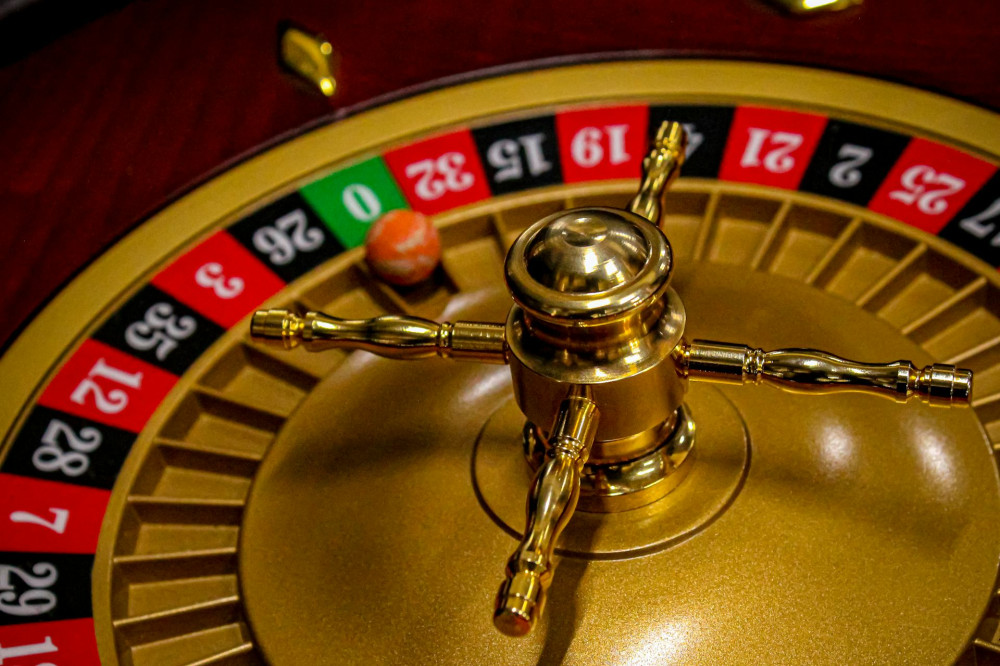
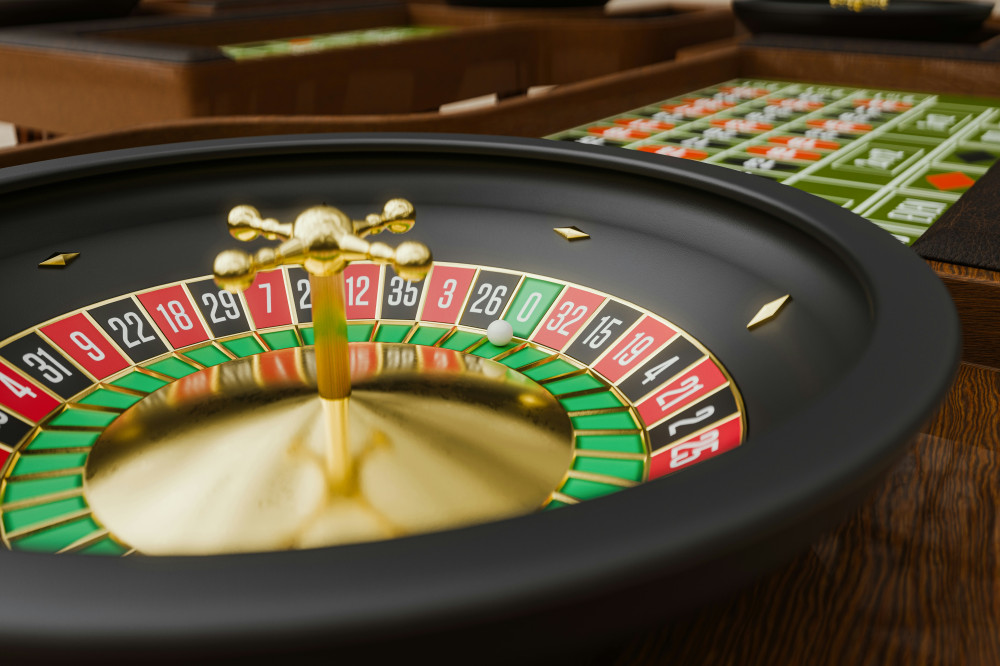
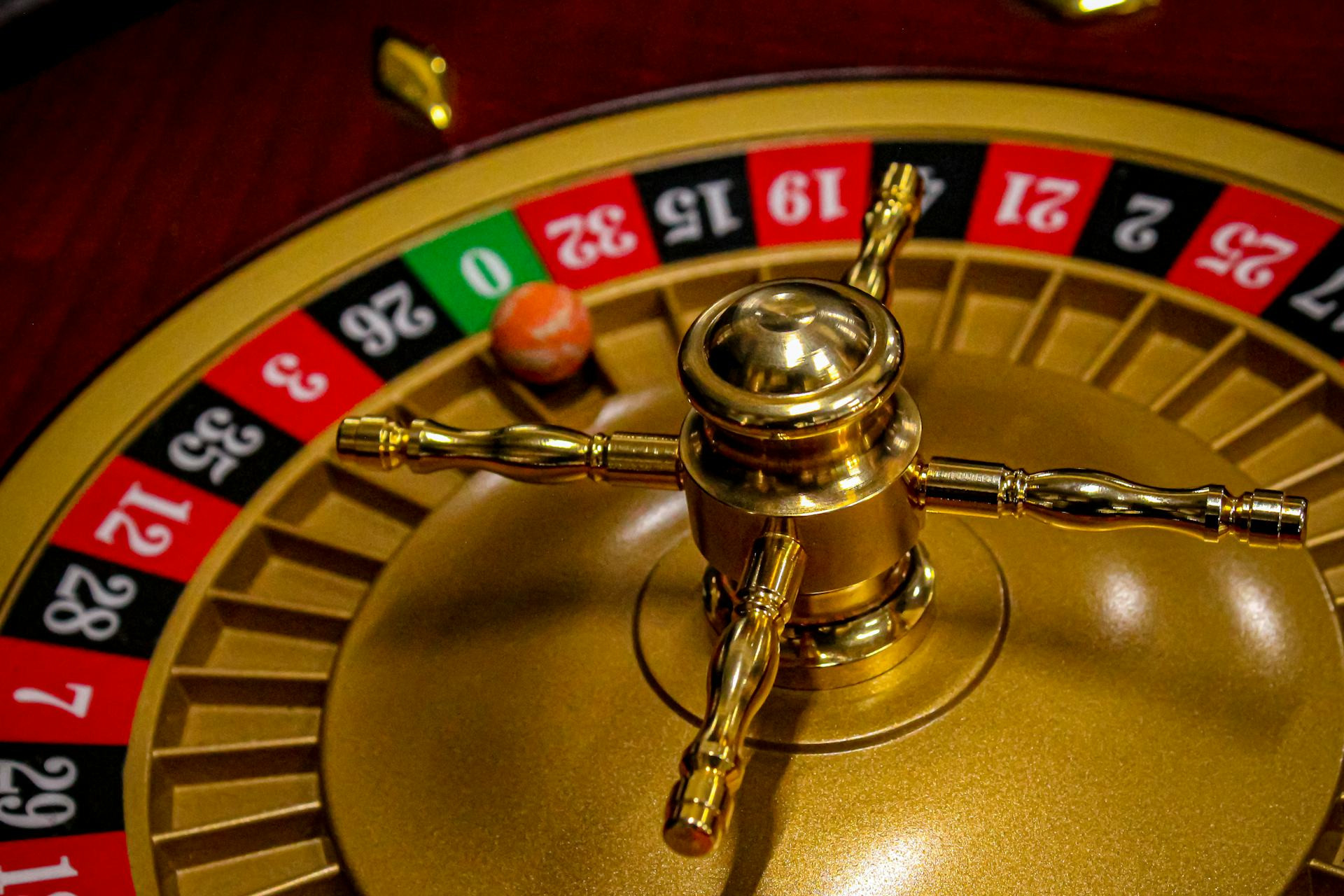
Take roulette as an example. On an American wheel, there are 38 possible outcomes (numbers 1–36, plus 0 and 00). If you bet on a single number, your chance of winning is 1 in 38—about 2.63%. That doesn’t mean you’ll win once every 38 spins, but that each spin has the same small chance of success.
Casinos make money because the payout doesn’t quite match the risk. A winning single-number bet pays 35 to 1, but there are 38 possible outcomes. That small difference is the casino’s built-in profit margin, known as the house edge.
Expected Value – The Hidden Average
Expected value is a way of describing what you can expect to win or lose on average over time. It’s not a prediction of what will happen in your next game, but a measure of how the game is structured.
Imagine a simple game where you have a 10% chance to win $100, but a 90% chance to lose $10. Over many plays, the frequent small losses outweigh the occasional big win. The average result per play—the expected value—is negative, meaning you’ll lose money in the long run. That’s how casinos ensure their games remain profitable.
Even though you might get lucky in the short term, the expected value always favors the house over time. That’s why the saying “the house always wins” holds true.
Læs også:

Bonuses and Promotions – Where’s the Real Value?
Online casinos often attract players with welcome bonuses, free spins, or cashback offers. These can look like free money, but probability and expected value still apply.
A bonus might give you extra playtime, but it usually comes with conditions—like wagering requirements that force you to bet your winnings multiple times before you can withdraw them. This means that while you get more chances to play, your odds of walking away with a profit remain low.
Understanding probability and expected value helps you see whether a bonus truly benefits you—or if it’s just designed to keep you playing longer.
Why Understanding Beats Luck
Many players believe they can “beat” the odds with the right strategy or by playing long enough. But in games of chance, outcomes are random and independent. You can’t influence the result of a spin or a deal. The only things you can control are how much you bet and how long you play.
Learning about probability and expected value isn’t about finding a secret path to winning—it’s about playing with awareness. When you understand how the games work, you can make smarter choices and enjoy the experience for what it is.
Play for the Fun of It
Casino games are designed for entertainment, not as a way to make money. If you treat gambling like a paid form of fun—similar to going to a concert or a ball game—you’ll have a healthier relationship with it.
Set a budget, play for enjoyment, and stop when it stops being fun. Probability and expected value can’t be changed, but your approach to the game can.
Læs også: