Avoid Beginner Mistakes: Learn Roulette Rules the Right Way from the Start

Avoid Beginner Mistakes: Learn Roulette Rules the Right Way from the Start
Roulette is one of the most iconic casino games in the world—a perfect mix of excitement, chance, and a touch of strategy. But for many beginners, the spinning wheel, colorful layout, and wide range of betting options can feel overwhelming. If you want to avoid the classic rookie mistakes and start off on the right foot, it’s all about understanding the rules and structure of the game from the beginning. Here’s how to learn roulette the right way from the start.
Know the Difference Between the Two Main Types of Roulette
There are two primary versions of roulette: European and American. The difference may seem small, but it has a big impact on your odds.
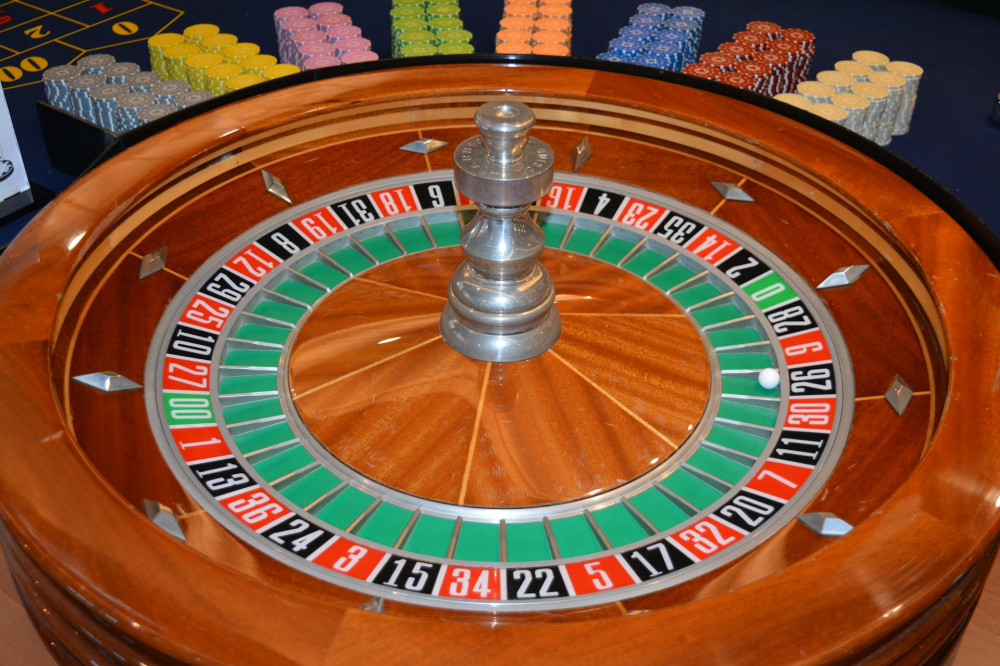
- European roulette has one green zero (0) and 37 pockets in total. The house edge is about 2.7%.
- American roulette includes both a zero (0) and a double zero (00), increasing the house edge to 5.26%.
If you’re new to the game, European roulette is generally the better choice because it gives you slightly better chances of winning. Many online casinos in the U.S. now offer both versions, so it’s worth checking which one you’re playing before you place your bets.
How the Game Works
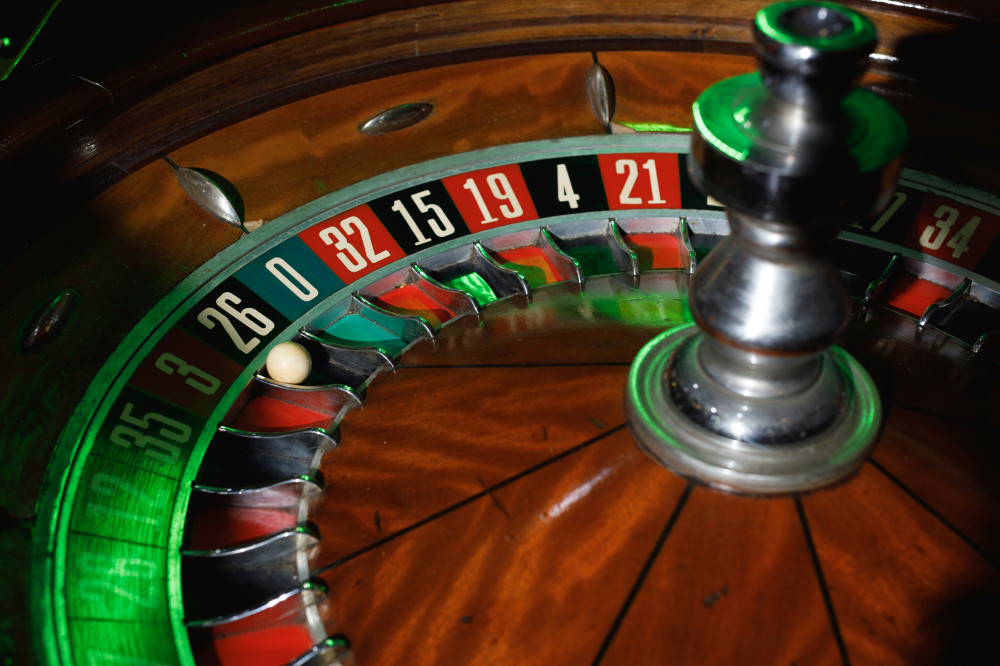
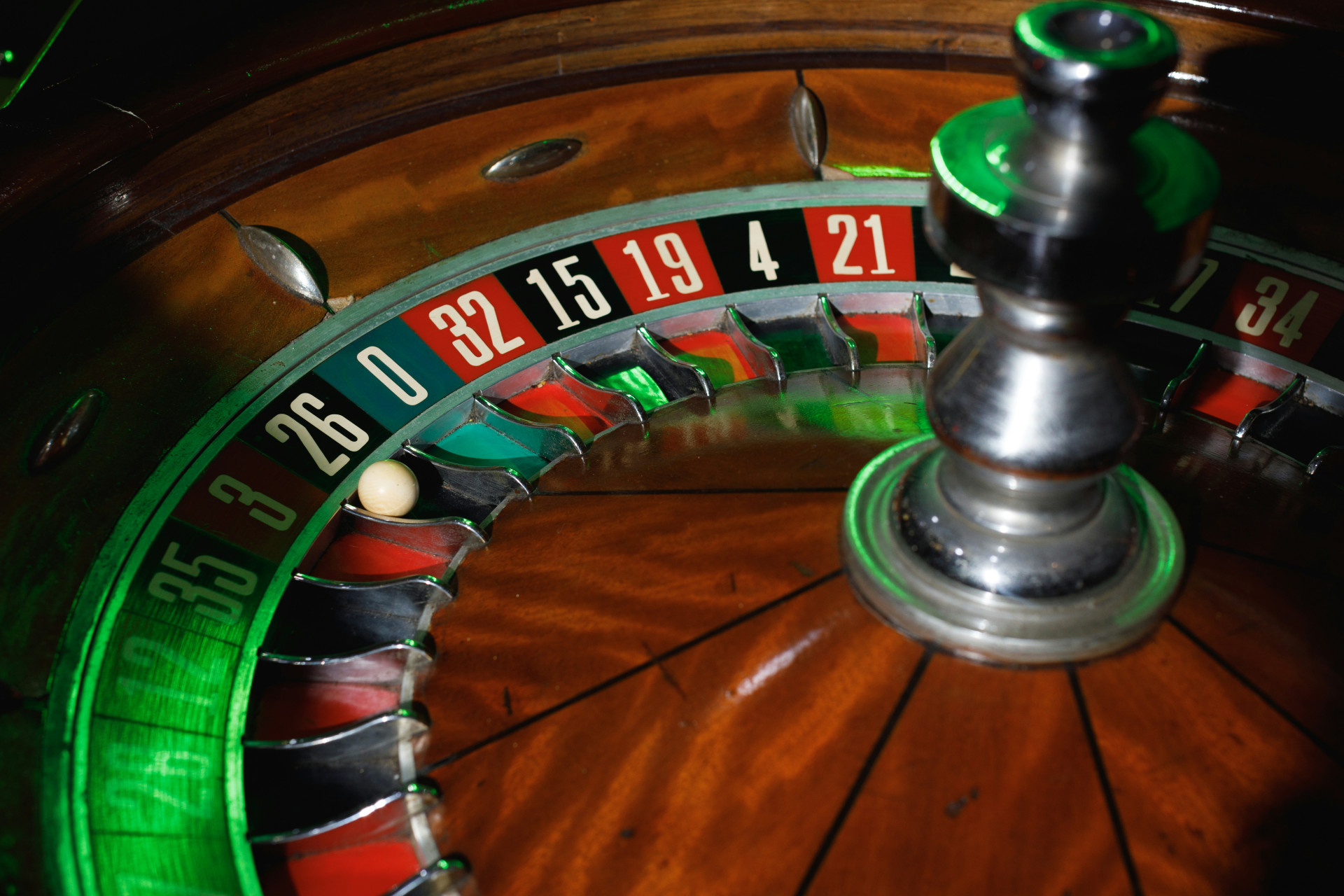
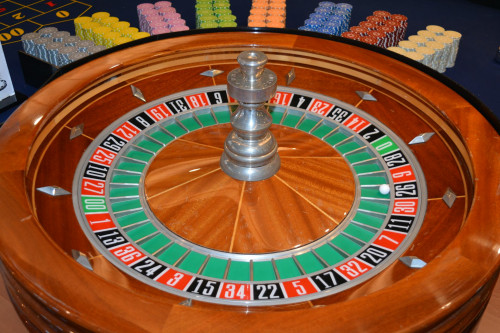
A roulette table consists of a wheel and a betting layout. The wheel is numbered from 0 to 36 (and includes 00 in the American version). Players place their bets on the layout before the dealer spins the wheel and releases the ball. When the ball lands in a numbered pocket, the winning bets are determined.
You can bet in many different ways—from single numbers to colors or groups of numbers. The more specific your bet, the higher the payout—but also the higher the risk.
The Most Common Types of Bets
To play roulette effectively, you need to understand the difference between inside bets and outside bets:
- Inside bets are placed on specific numbers or small combinations of numbers. Examples include a single number (straight up), two numbers (split), or four numbers (corner). These bets offer high payouts but lower odds of winning.
- Outside bets cover larger groups of numbers, such as red/black, odd/even, or high/low. These bets have better chances of winning but smaller payouts.
For beginners, starting with outside bets is a smart move—they provide a steadier and less risky introduction to the game.
Avoid the Classic Beginner Mistakes
Many new players fall into the same traps when they first sit down at a roulette table. Here are some of the most common mistakes—and how to avoid them:
- Believing past spins affect future results. Roulette is a game of pure chance. The wheel has no memory, and each spin is completely independent.
- Betting too much too soon. Start small. Learn the rhythm of the game and how the bets work before increasing your stakes.
- Choosing American roulette without realizing the difference. That extra green pocket (00) makes a real difference to your odds.
- Chasing losses. If you’re on a losing streak, take a break. Roulette is meant to be fun, not a way to recover losses.
Get Familiar with the Table Layout
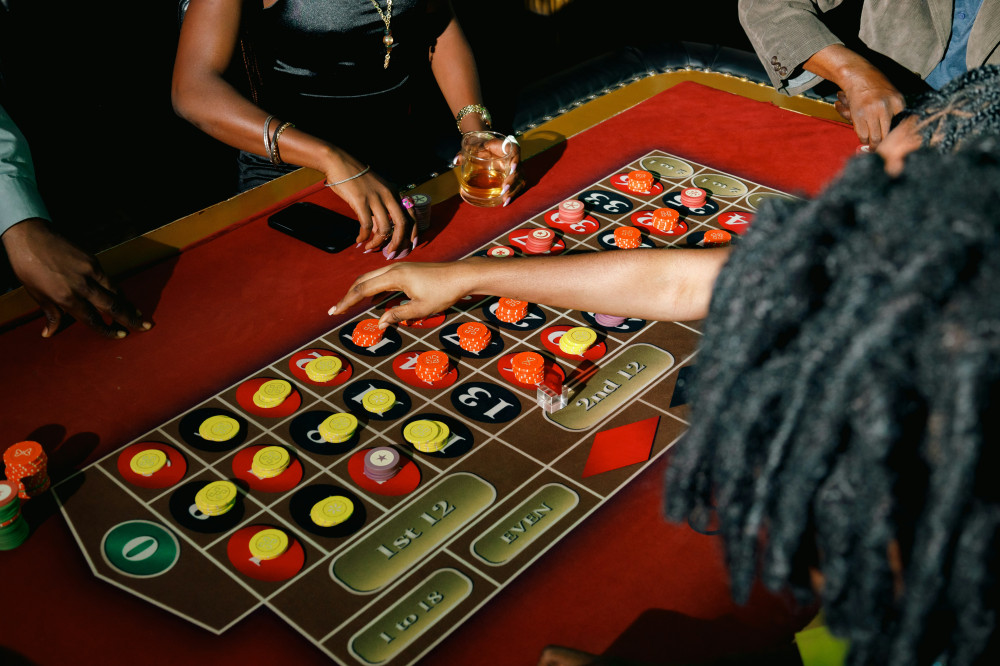
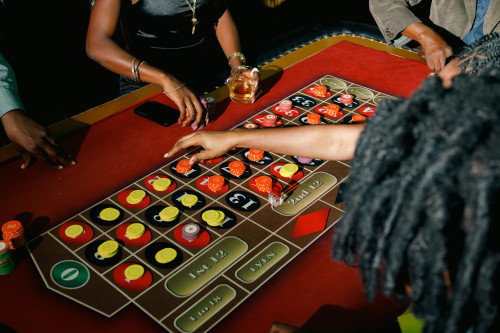
At first glance, the roulette table can look complicated, but it’s actually quite logical. The numbers are arranged in three columns and twelve rows, with additional areas for outside bets like colors, even/odd, and dozens.
Take a few minutes to study the layout before you play. Many online casinos offer free demo versions of roulette, which are perfect for practicing without risking real money. It’s a great way to build confidence before you play for real.
Læs også:

Strategies—and Why to Use Them Carefully
There are many so-called roulette strategies, such as the Martingale, Fibonacci, and D’Alembert systems. These strategies focus on how to adjust your bets after wins or losses. However, no system can change the fact that roulette is ultimately a game of chance.
Use strategies as a way to structure your play, not as a guarantee of success. The most important thing is to set a budget and stick to it.
Play Responsibly—and Enjoy the Experience
Roulette should always be about entertainment. Set a clear budget and only play with money you can afford to lose. If you ever feel that gambling is becoming stressful or consuming too much of your time, take a break or seek help from responsible gaming resources.
When you understand the rules, know your odds, and play with care, roulette can be an exciting and social experience—whether you’re at a Las Vegas casino or playing online from home.
Læs også: