From French Elegance to Global Icon: The Story of the Language of Roulette


From French Elegance to Global Icon: The Story of the Language of Roulette
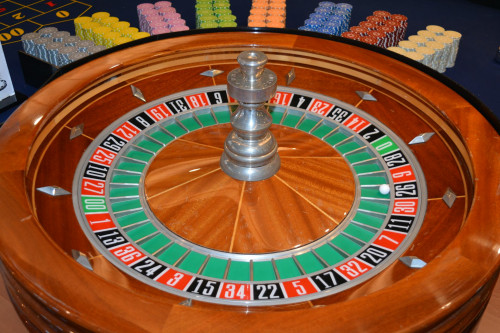
Roulette is one of the most recognizable games in the world—a symbol of glamour, suspense, and the irresistible pull of chance. Yet behind the spinning wheel and the alternating red and black lies a story that began in 18th‑century France. It’s a tale of invention, refinement, and cultural exchange, where a single French word—roulette—became synonymous with luck and risk across the globe.
From Scientific Curiosity to Parlor Game
The story of roulette begins with the French mathematician and inventor Blaise Pascal. In the 17th century, Pascal was experimenting with the idea of a perpetual motion machine—a device that could move endlessly without external energy. While the machine itself proved impossible, the concept inspired a wheel that would later become the foundation of a new game.
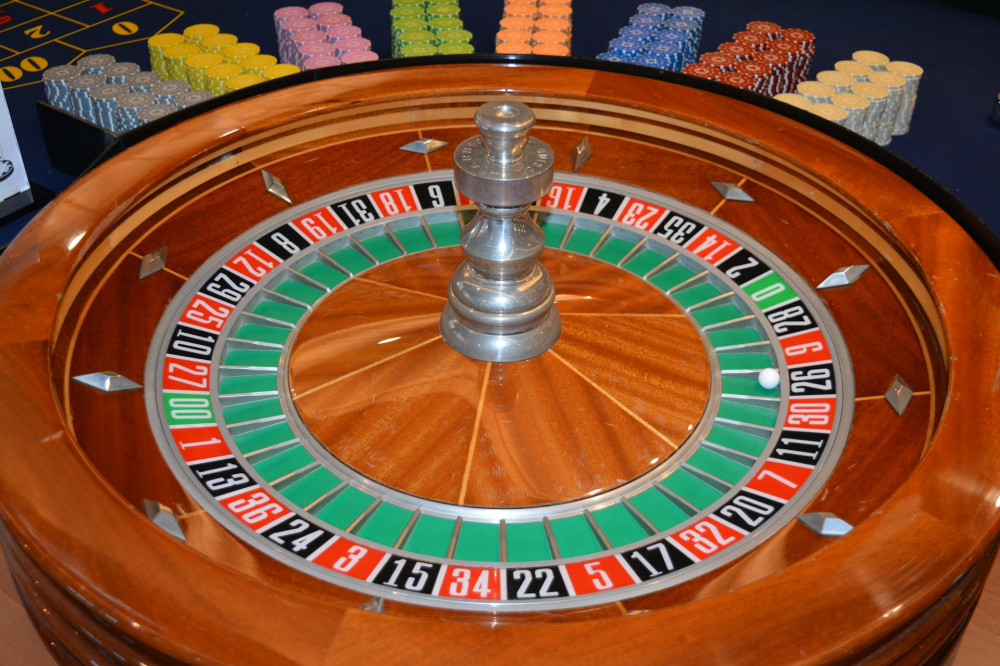
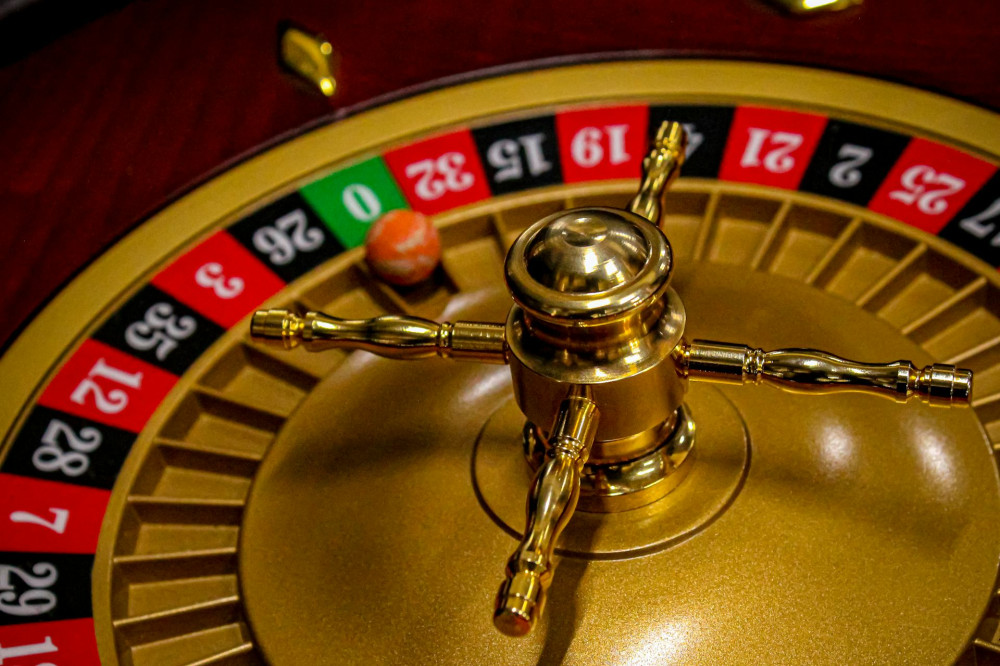
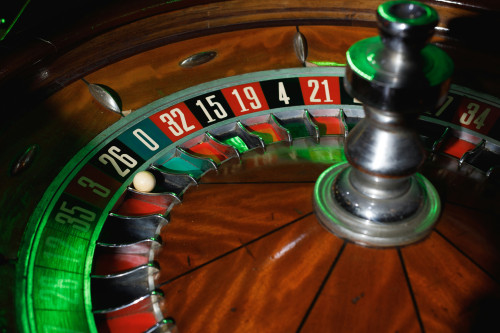
By the 1700s, this wheel had evolved through a blend of existing gambling games and mechanical ingenuity. The name roulette, meaning “little wheel” in French, captured both the simplicity and sophistication of the invention. In the salons of Paris, the game quickly became a favorite pastime among the aristocracy, who saw it as a refined form of entertainment that combined intellect, chance, and style.
Revolution, Exile, and the Rise of Monte Carlo
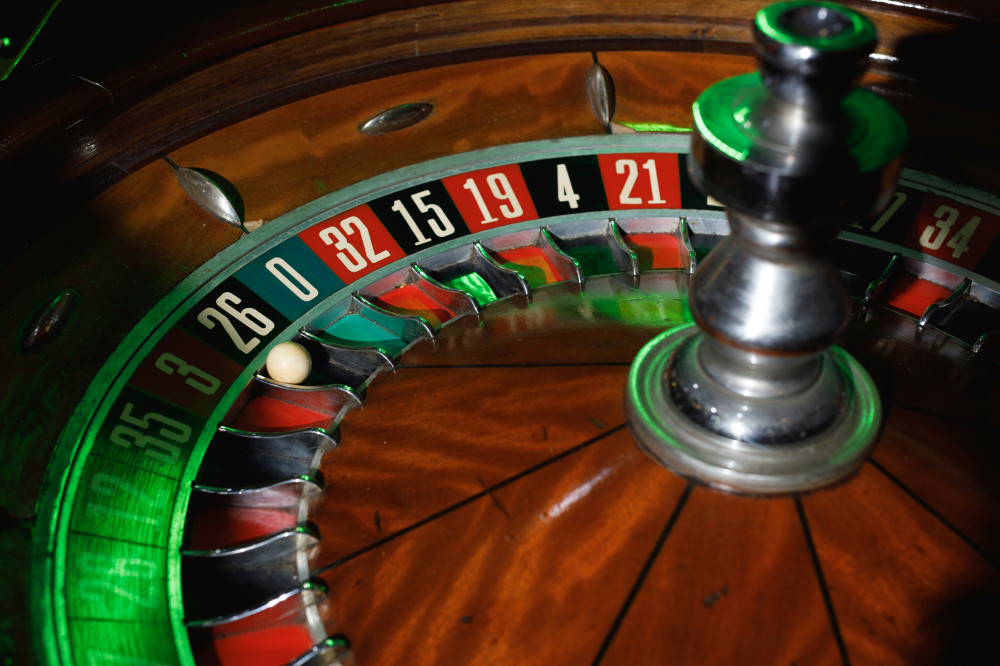
After the French Revolution, gambling was banned in much of France, but roulette survived underground. In the early 19th century, the game found new life in Germany’s spa towns, particularly in Bad Homburg. There, the brothers François and Louis Blanc refined the design by introducing the single‑zero wheel—a small change that made the game more appealing to both players and casino owners.
When Germany later outlawed gambling, the Blanc brothers moved their operation to the tiny principality of Monaco. In the 1860s, they helped establish the Monte Carlo Casino, which soon became the epicenter of European high society. Roulette was its crown jewel—a perfect blend of French elegance, Mediterranean allure, and the thrill of risk. The game’s mystique spread quickly, drawing visitors from across Europe and, eventually, from America.
The Language of Roulette: French Words, Global Appeal
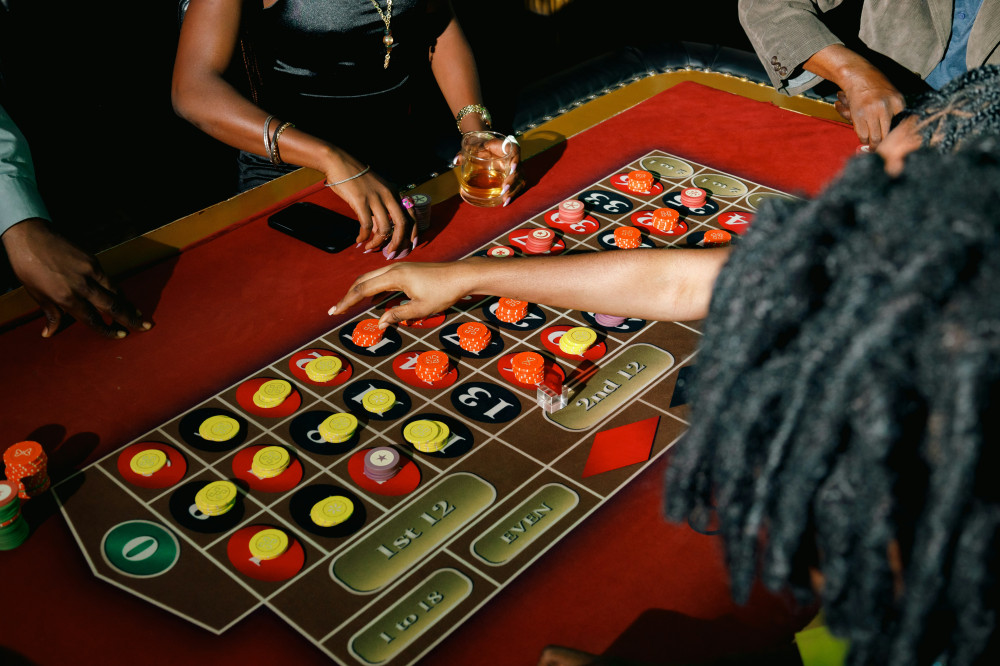
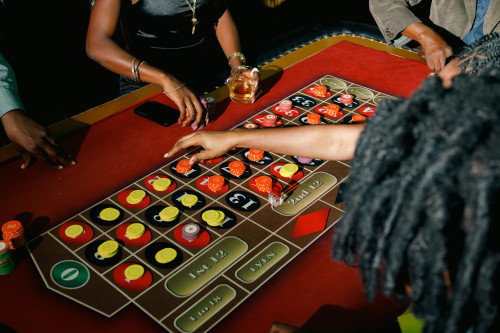
As roulette traveled, so did its language. Even today, many of the terms used at the table remain in French: rouge et noir (red and black), pair et impair (even and odd), manque and passe (low and high). These phrases lend the game an air of sophistication and continuity, connecting modern players to its aristocratic origins.
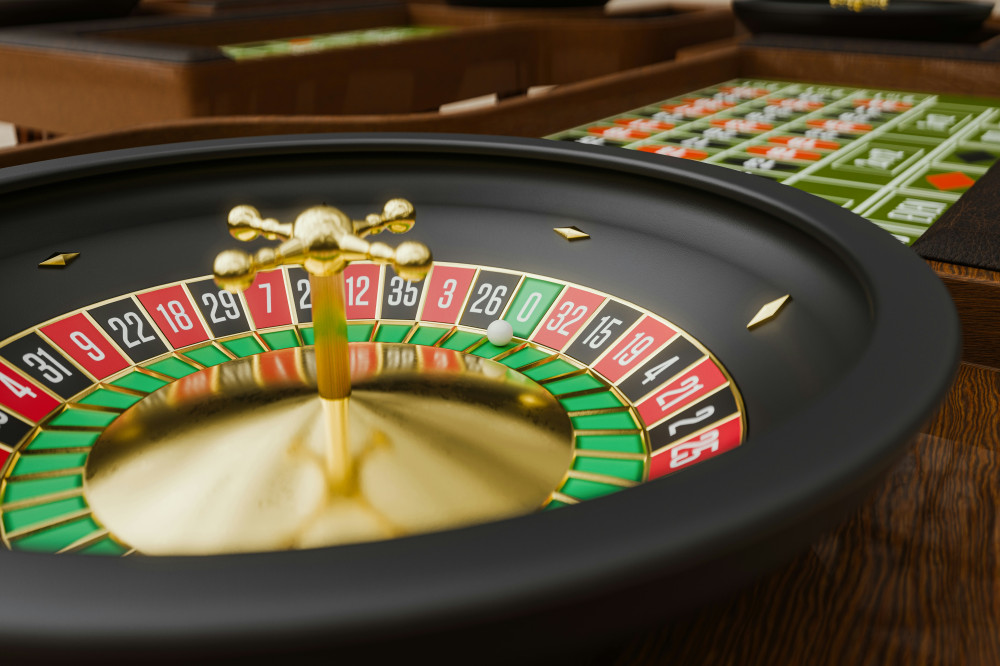
When roulette crossed the Atlantic in the 19th century, American casinos adapted it to their own tastes. The addition of a double zero created what we now know as American roulette—a faster, more unpredictable version that suited the energy of the New World. Yet even in Las Vegas or Atlantic City, the French vocabulary endures, a reminder of the game’s European roots.
Læs også:
From Casino Floors to Cultural Symbol
Roulette has long since transcended the casino floor. It appears in films, novels, and advertisements as a metaphor for fate, courage, and the human desire to take chances. The image of a player betting everything on a single number has become a universal symbol of risk and hope.
In the digital age, roulette has found new life online, where virtual wheels spin for players around the world. Despite the shift from marble halls to computer screens, the rituals and language remain the same. The croupier’s call, the spin of the wheel, the anticipation as the ball slows—these elements preserve the timeless rhythm of the game.
A Small Wheel with a Big Story
From Pascal’s experiments to the glittering rooms of Monte Carlo and the neon lights of Las Vegas, roulette has retained its unique charm. It is a game where mathematics meets mystique, and where language plays a vital role in shaping the experience. Each spin of the wheel continues a tradition that has survived revolutions, prohibitions, and technological revolutions alike.
The language of roulette is more than a collection of terms—it is a living link between past and present, between French refinement and global fascination. A little wheel that keeps turning, and a language that still speaks to the dream of luck.
Læs også: